GAME-CHANGER OR GAME-OVER IN IRELAND?

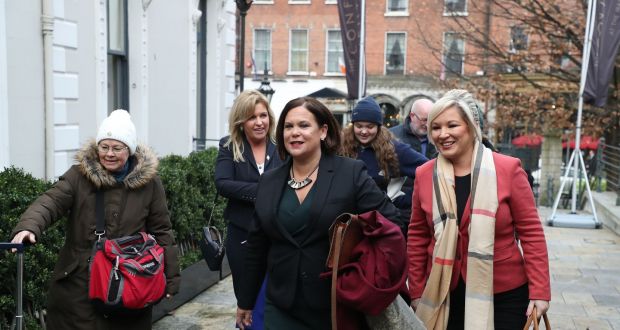
Sinn Fein’s President Mary Lou McDonald today described on national airwaves that her political party’s long-awaited, soon-to-be-named Irish Presidential candidate would be a ‘game changer.’

@rtenews

Sinn Féin leader Mary Lou McDonald has said that the party’s participation in the Presidential Election campaign will be a “game-changer”. Sinn Féin has been mulling over its approach to the race for Áras an Úachtaráin, with two options at its disposal – either run its own candidate or back Independent Catherine Connolly’s campaign. Speaking at the National Ploughing Championships in Screggan, Co Offaly, Ms McDonald said she already knew the proposal she would be bringing to the party, but that it would not be made public until Saturday. Go to link in bio for more #rtenews #ireland #presidentialelection #sinnfein

♬ original sound – RTÉ News

Having used this grandiose, hifalutin phrase, that’s exactly what supporters and would-be supporters of Sinn Fein will be expecting that person to be – a unique choice who will shock and surprise everyone. 

The kind of individual a disillusioned electorate are hungry for. Someone whose name and background will light a fire under what has already become – albeit in its early stages – a timid, banal, utterly predictable and lukewarm election campaign.

To use such a superlative phrase as ’game-changer’  and not deliver an individual with the immense passion, innovative vision and creativity the term demands will be considered by most people to be a dismal failure.  And show Sinn Fein to be a ‘has-been, once-was’ party, one whose rise in recent years has incontrovertibly stalled.

To come up with something less – such as merely supporting Independent Catherine Connolly – will help damn the party into endless Opposition. It will signal to a triumphant Fianna Fail-Fine Gael coalition Government that it has nothing to worry about from Ireland’s third-ranked party. That Sinn Fein is all bark and bluster. But no real bite. 

Regardless of the spin about Left wing unity, Sinn Fein supporting Connolly will be seen as nothing less than inherent party weakness. That of a political party seeking to lead the country that cannot even find a suitable candidate for the most universally elected political position in the nation. 

That’s not leadership. That’s impotence. 

Supporting Connolly, Sinn Fein at this stage will also be seen as being led by the other Left wing parties who decided on her months ago. And they risk losing key votes at the next election as a result, probably leading to an inevitable decline in its parliamentary seats. A major, perhaps irrecoverable, blow to the party’s hardworking grassroots members.

Thus it’s all-important, not just for future success but for sheer survival, that Mary Lou and her colleagues in the upper ranks of Sinn Fein deliver what they’ve promise so confidently. Nothing less will do.

In doing so, hopefully, they’ll also make this rather boring Irish Presidential battle a bit more interesting than it is right now, raising it from its low-level drab ordinariness.

If they don’t, Sinn Fein may pay a heavy price at the next election. And possibly never recover from the fall.

For a party that is admirably ethical and honest in its dealings, with a central mission of equality and justice for all, they need to find the courage to take risk, something the party is not particularly known for, as not running a second candidate in the Gweedore-Cloughaneely area in the last election showed, with Pearse Doherty’s massive surplus votes going nowhere instead of towards electing a record third TD in Donegal.  

This Presidential campaign is Sinn Fein’s Rubicon moment. It’ll be intriguing to see if they manage to cross over. Or drown in the effort.

Meet The Real Simon Harris – The Dishonourable Duke Of Duping

Is it not reprehensible – the height of hypocrisy in fact – that Simon Harris the leader of the Irish Government  – has the audacity to accuse Sinn Féin in recent weeks of ‘duping’ people when it expelled several party members for substandard social behaviour?

Simon Harris – the Dishonourable Duke of Duping.

The Cambridge dictionary definition of dupe is ‘to deceive’ and if anyone is guilty of deception, it is Harris and his colleagues in the coalition Government of Fine Gael, Fianna Fail and the Green Party.

Over the last four years since being in power – and for many years before that – these parties have been nothing less than ‘repeat offenders,’ constantly deceiving the ordinary hardworking people of Ireland with false promises of a quality lifestyle as befitting a nation that is one of the earliest members of the European Union, then called the European Economic Community, or EEC for short, back in 1973.

Instead, however, we have one of the most disastrous health systems on the continent, with people waiting years for life-saving surgeries, often dying before they receive it; we are awash in homelessness and poverty, with an estimated people 30,000 living on the streets, including thousands of young children and infants; we have a forsaken, forgotten, forlorn State where retirees and newlyweds alike are unable to afford the rent of a simple home, never mind the financial resources to even remotely consider buying one to end or begin their lives together in a modicum of comfort.

Not only does the Dishonourable Duke of Duping continue to deceive people that after all these years he’ll one day consider putting a roof over our heads, but he himself basks in the lap of luxury in one of the most expensive and elitist places in Ireland, the scenic coastal town of Greystones in county Wicklow, where he was born, where he lives and where houses cost up to two million euro, and more.

But is it not somewhat harsh of us to criticise the Dishonourable Duke of Duping for his lack of common decency? Is it not unfair to ask a man of such Royal blood living in such a high falutin’ environment to understand the plight of so many desperate Irish people? Is that not akin to asking King Charles of England to make his own cupán tae once in a while?

Shamefully, while the wealthy in Ireland (many of whom are the Dishonourable Duke of Duping’s closest neighbours) while away their days in decadent lifestyles with fancy homes in fancy places or travel in  environmentally-damaging private jets (which the Dishonourable Duke of Duping does frequently) and indulge their whims in ostentatious holiday homes abroad (which the Dishonourable Duke of Duping often does), modern Ireland suffers the worst housing shortage in its entire 100-year history. 

Studies show less than a third of 30-year-olds own their home. Over half of all newly-built homes in greater Dublin alone were bought or developed by global vulture investor funds, thus locking countless people out of ever attempting to buy one. These ‘vampire funds’ don’t buy homes to sell, they buy them to extract high rents in perpetuity. In other words, they suck the lifeblood out of decent Irish society.

And to make matters worse, the Dishonourable Duke of Duping and his cadre of Government lackeys allowed a temporary no-fault eviction ban in Ireland to lapse last March, thus opening the floodgates for more than 15,000 notices of termination to be issued last year, making the number of evictions higher than it was during the Famine in the mid-1800s. 

For centuries, gutless, greedy, often absentee, landlords, have been the scourge of Ireland, rich, ruthless people who with the click of a finger, a scribbled signature on a sheet of paper, thoughtlessly tossed hungry families out into the ditches. 

Now it seems the same is happening all over again in modern Ireland, this time under the dictatorial rule of the Dishonourable Duke of Duping and his ignoble entourage.

Instead of urgently dealing with these major social and health issues that are making the lives of so many Irish people intolerable, Harris and his well-to-do cohorts, including Government coalition leaders, Micheál Martin of Fianna Fail and Roderic O’Gorman of the Green Party, are pointing their grubby finger at Sinn Féin, an oft-used political ploy to distract popular attention away from the real issues, and their own failings on them. 

In doing so, however, these ‘I’m-better-than-you’ leaders fail to realise something important. While the bitter winds of winter howl at our doors, while Storm Ashley batters the coast this weekend, Irish people are not bears. They are not hibernating. They are wide awake. And fearful. And hungry. And cold. And they remember the empty promises made to them from on high four years ago, and for many years before that.  

Maybe, just maybe, we should ask Sinn Féin leader Mary Lou McDonald to re-tell the story of these empty promises once more, to remind us how easily we were taken for fools. And in doing so, help us make sure the Dishonourable Duke of Duping and his Royal patrons don’t sneak back into power through the back door and make jesters of us for another four years in their Court of Failure.

Maybe, just maybe, we’ve learned our lesson and are wide awake enough to elect Sinn Féin, the ‘Party of Change’ and improve things for the better. For each and everyone of us, our parents, our children and the generations who come after. 

Is Sinn Fein really ready for Government?

by Sean Hillen 

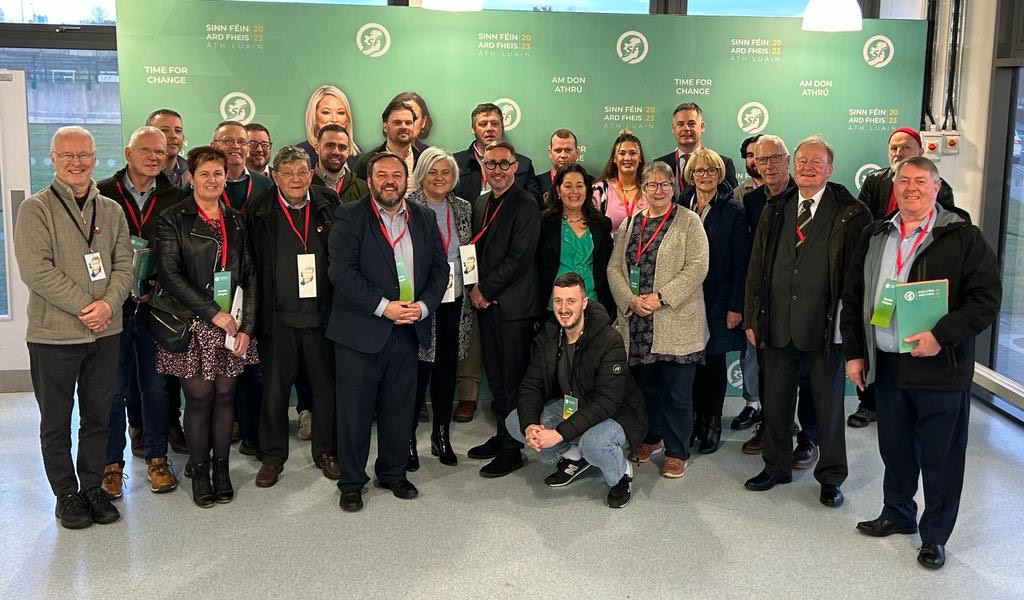
ATHLONE, WESTMEATH – A resounding ‘YES’ was the answer that rang out loud and clear all around me from around 1,500 enthusiastic and committed members, young and old, men and women, some teenagers, some retirees, gathered for the party’s annual Ard Fheis in Athlone, Westmeath several weeks ago.

A large Donegal delegation, the county where I live in northwest Ireland, attended the Ard Fheis.

I know from past experience in both Europe and the US that political party conferences can be full of hype and promise but I sensed something special in the air at this one. Positivity, definitely. Excitement, plenty. Anticipation, yes. Expectation, ditto. Even a little apprehension. Natural, considering it’s been 100 years since Sinn Fein last walked through the corridors of power as the undisputed political leader of Ireland.

Attending this annual meeting, I was extremely impressed with the overwhelming enthusiasm shown by members, their readiness to be in Government and make meaningful changes in Ireland for a better future for all and by the large number of women present, many of whom spoke incisively from the stage as delegates on a range of issues, from education to health, the high cost of living to homelessness. 

With local and EU elections, and perhaps national ones as well, occurring next year, it seemed appropriate that a party that continues to rise in national popularity was holding its annual party meeting in Athlone, a town considered the geographical center of Ireland, with Sinn Féin hoping its influence radiates from there nationwide in all directions.

Led by two women, Mary Lou McDonald, the party’s president and TD for Dublin Central, and Michelle O’Neill, party vice-president and First Minister Elect in Northern Ireland, with TDs nationwide, would-be Ministers-in-waiting, including TDs Pearse Doherty and Pádraig MacLochlainn from Donegal where I now live and with whom I spoke during breaks in the formal proceedings, all aired their views on key issues such as the cost of living crisis, plight of the health system, mounting housing problems, and many more. 

We want to build a new Ireland,” said McDonald in her keynote address after receiving a rousing reception. “A nation home for all. A unified nation of confidence and compassion, talent and ingenuity, claiming our future, our rightful place among the nations of the world. A new Ireland. The Orange and Green reconciled. No place for racism, Islamophobia, Antisemitism, sexism, homophobia, transphobia, or sectarianism.”

O’Neill spoke about the urgent need to kick-start the Stormont Assembly, the national parliament in Belfast, which has been boycotted by the Democratic Unionist Party (DUP), the main Unionist opposition, for the past year. “My message is one of positivity, one about the future, about building a better society for us all to live side by side,” she said. “My message to the DUP is that they need to be in the Executive with the rest of us, making politics work, making this a better place for everybody who lives here.”

Pearse Doherty, the party’s spokesperson on finance, thanked his fellow party members, saying, “You are the engine room of our organisation. Your work, your energy, your ideas, make Sinn Féin what it is – the only viable vehicle for the ordinary people of Ireland to achieve change in our country, and the only viable vehicle to achieve the unity of our country. We are focused on one thing – delivery for workers and family the length and breadth of our island. We are on the countdown to the general election, and we are setting out the type of change that a Sinn Féin government will deliver if the people give us that opportunity. We are setting out our plans to build a better, fairer country for all, for positive change and transformation.”

Pearse Doherty listens closely as Mary Lou McDonald gives her keynote address.

Paul Hayes, from Carrigart, Sinn Féin regional secretary in Donegal, was delighted with the weekend’s success, telling me that the Ard Fheis had brought together over 1,400 people, with more than 200 speakers over 300 issues voted on. “It’s a great success, I’m very happy,” he told me, smiling. Sitting beside me in the auditorium stalwart Pat Doherty, former Sinn Féin vice-president, wore a quiet, thoughtful – one might even say, contented – expression on his face. And no wonder. After many years of personal struggle and hard work towards the goal of a United Ireland Socialist Republic, the idea – once remote – of his party leading Government both in the north and south of of the nation seems rapidly becoming a reality.

(left to right) Paul Hayes, Sinn Féin regional secretary in Donegal, with Pat Doherty, the party’s former vice-president. Both were happy with the strong attendance and content at the Ard Fheis.

Thanking me for exclusive information I provided to Sinn Féin on RTE expenses, MacLochlainn, the party’s chief whip and spokesperson on fisheries and the marine, added, “We are mindful that this Sinn Féin Ard Fheis could be the last one before the next general election and the formation of a new government. We are confident, we are ready.”

Pádraig MacLochlainn, TD, is confident. “Sinn Féin is ready for Government,” he said.

Among the many motions passed was one affecting many people in Donegal. This pertains to an ongoing scandal – houses that are crumbling due to mica and pyrite in concrete. “Sinn Féin are determined to lead the next government so it is important to renew our commitment to one hundred percent redress and to spell out how we would implement that policy, if we get that chance,” said Sinn Féin housing spokesperson, Eoin Ó Broin. “We believe the Enhanced Defective Concrete Block Grant Scheme is another scheme that will deny redress to most affected homeowners.” 

Aside from domestic issues, Sinn Féin also debated foreign policy issues with loud cheers of support and a prolonged standing ovation given to Dr. Jilan Wahba Abdalmajid, Ambassador of Palestine to Ireland, a VIP guest speaker.

Sinn Féin initially abstained at local council and national level from calling for the expulsion of the Israeli Ambassador to Ireland but in face of horrific stories of death and life-threatening injuries, including thousands of young children, and the wholesale destruction of home and hearth in Gaza, changed tack and formally backed those calls, as well as calling for Israel to be referred to the International Criminal Court by Ireland and the Irish government to formally recognise the State of Palestine.

“We call for an immediate ceasefire and stand firmly behind Palestine in its hopes and  aspirations for its own homeland recognised by all international bodies and a long and lasting peace with all its neighbours,” said Matt Carthy, the party’s spokesperson on foreign affairs, who also thanked me for a proposal I made on a possible long-term solution to the Palestine question.

Young members of Sinn Féin show their support for Palestine.

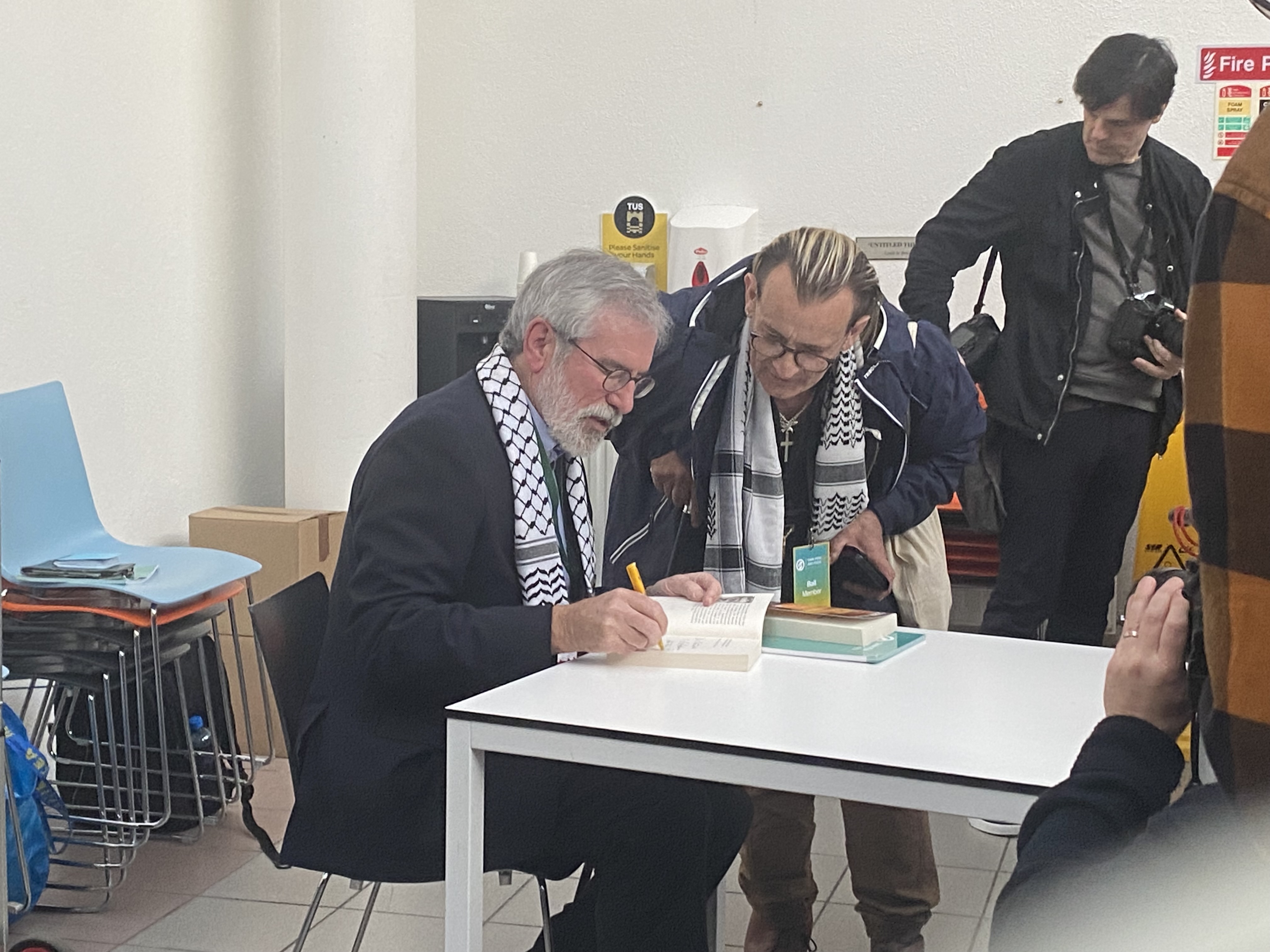
Elsewhere at the Ard Fheis, former Sinn Féin president, Gerry Adams, cheerfully met with a long line of well-wishers as he signed copies of his latest book, Black Mountain and Other Stories. Gerry has authored a number of books including Before the Dawn: An Autobiography; Cage Eleven: Writings From Prison; The Street And Other Stories; Falls Memories; and A Farther Shore: Ireland’s Long Road.

I am proud to say that Gerry’s Donegal holiday house lies less than 10 kilometers from my own home and that his mother and mine were very close friends as teenagers, working side-by-side in west Belfast and stayed together in the Donegal Gaeltacht on several occasions (with their interest in boys vying closely with their interest in the Irish language and culture, I am reliably informed).

Former Sinn Féin president, Gerry Adams, signs copies of his books.

‘Cute hoorism’ is alive and well in Ireland

Spotlight on corruption inside Irish state institutions

Controversy surrounding Irish public broadcaster RTE involving hidden payments and secret slush funds for music concerts, sports tickets, car loans, expensive hotels and restaurants reminds me of an investigation I conducted into misspending by another state body. 

The two examples underscore the constant need for vigilance over the spending of public money by such bodies.

Misuse of public money – a major problem in Ireland. Here RTE officials prepare to face a grilling.

Having moved to Donegal in the northwestern part of the country – an Irish speaking area known as a Gaeltacht, one of several in Ireland – I was approached as a journalist by many angry local people to investigate the spending of tens of millions of euro by Údarás na Gaeltachta, a national Irish-language organisation responsible for economic, social and cultural development.  

After comprehensive research including a series of interviews and detailed Freedom of Information (FOI) requests, I was stunned to discover the extent of financial waste and utter misuse of public money by Údarás – corruption by any another name, some might say – including all-expenses paid holidays in Florida for some executives and board members and their spouses, which was counter to existing regulations. 

During the year I conducted my investigation, pensions alone for 136 former Údarás employees amounted to 9.8 million euro, half that year’s entire budget, which caused then Public Accounts Committee (PAC) member Sinn Fein Senator Trevor Ó Clochartaigh to declare, “I nearly fell off the chair when I heard that.

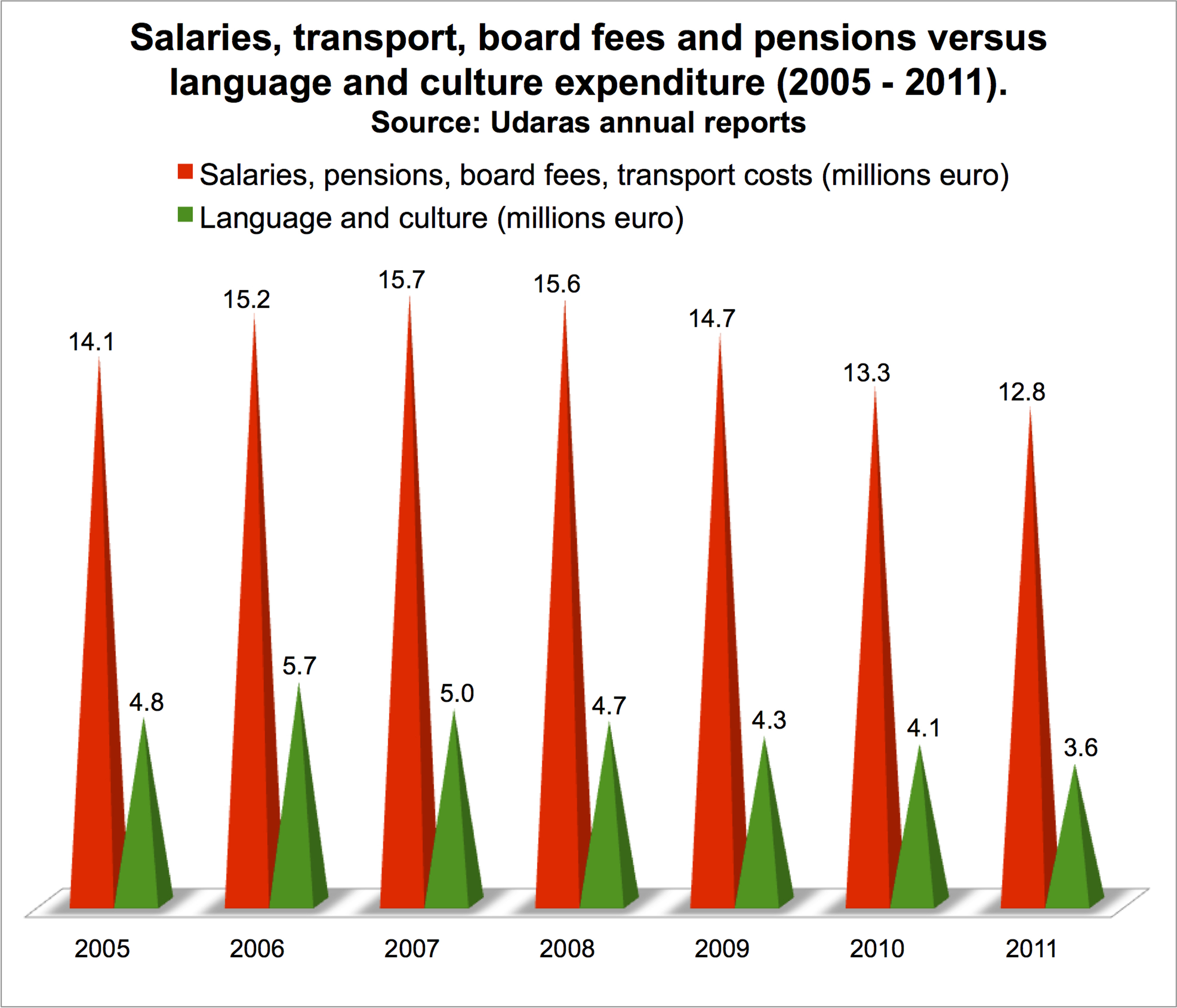
Five Donegal board members alone were paid more than half a million euro in fees and expenses over a five-year period between 2004 and 2009.

Shocking statistics I uncovered about spending on Údarás staff compared to project funding.
Key question remains: has the situation changed?

Údarás said each job it helped create back then cost around 8,000 euro, but the actual figure turned out to be 88,000 euro, ten times that number. It also spent more than 30,000 euro on all-expenses paid trips including business-class flights to Halifax, Canada to look at seaweed projects, as well as hefty expenses to other international cities including Las Vegas, Shanghai, Los Angeles and Chicago. Such was the absolute accounting mess, Bernard Allen, former Fine Gael TD and head of the PAC back then told me the expenses system of Údarás was “simply incomprehensible.” 

Údarás had become a free-for-all feeding trough for some board members and executive managers, with blatant conflicts of interest abundant. In short, the situation seemed to have become one of ‘you scratch my back and I’ll scratch yours.’

Liam O’Cuinneagain, chairperson of  Údarás for ten years then and founder of Oideas Gael in in Glencolmcille, Donegal described the investigation into his organisation’s spending as “paranoia” and said he was “satisfied” with its performance. 

After approaching the editor of the ‘Donegal News,’ a leading newspaper in the region, I completed a three-part investigation into the situation but then had to face highly-paid spin doctors for Údarás which did its very worst to prevent the series from being published, including threatening late-night calls to my home.

Padded expenses, lucrative pensions and international trips were only the tip of the ice-berg of misspending. Imagine how a small community centre or school offering classes and activities as Gaeilge or an Irish-language theatre such as Amharclann in Donegal could have used such scarce money. 

You can see some of my stories below.

Údarás na Gaeltachta, like RTE over the last few weeks, came under scrutiny by the Public Accounts Committee (PAC) back then but the government fell in the midst of the investigation, the PAC was disbanded and the investigation was never resumed after the subsequent election.

Some of those leading Údarás na Gaeltachta, both in Donegal and nationally at that time, have retired or resigned, all on very generous pensions, among the highest in Ireland’s civil service. It is hoped the present leaders are honest and transparent in their dealings. Only time will tell. Or another investigation by an enterprising journalist or a concerned citizen.

Shocking revelations at RTE and at Údarás na Gaeltachta should be a stark warning to us all. Sadly, leaders of such state and semi-state organisations with huge budgets at their disposal, if left unexamined, are tempted to misuse public money for personal gain. It is up to each one of us – private individuals and our elected representatives – to keep a close eye on how they spend that money. As both examples clearly demonstrated, we cannot rely on board member oversight alone. 

Both RTE and Údarás na Gaeltachta managed for many years to avoid public examination, the former because it was the all-powerful state broadcaster with political cronyism being a major factor in executive employment there, the latter because it was involved in the Irish language, a sacred cow in Ireland not to be questioned or criticised and it had – and still has – a big bucket of money to hand out in grants which can, in itself, buy silence.

What saddens me most is that both these organisations – RTE and Údarás na Gaeltachta – have vital roles to play in the economic, cultural and social development of Ireland so when they mislead the public, the very people who pay their high salaries and expenses, it is even more unforgivable. 

Suck key institutions should be supported, but not unquestionably so. 

After the RTE shambles, should Údarás na Gaeltachta and other such state bodies not come under extensive examination on a regular basis to make sure public money is being spent properly?

Should Údarás na Gaeltachta, for its own benefit, not be subject to the oversight of the National Treasury Management Agency (NTMA)’s NewEra unit, which provides financial and commercial advice to Government ministers and departments, the primary goal of the NTMA being to deliver long-term value to the Irish people?

Cute hoorism definition

Driver’s Diary – Death At The Mouth of Flowers

READER WARNING:

Content in this post may be upsetting to some people.

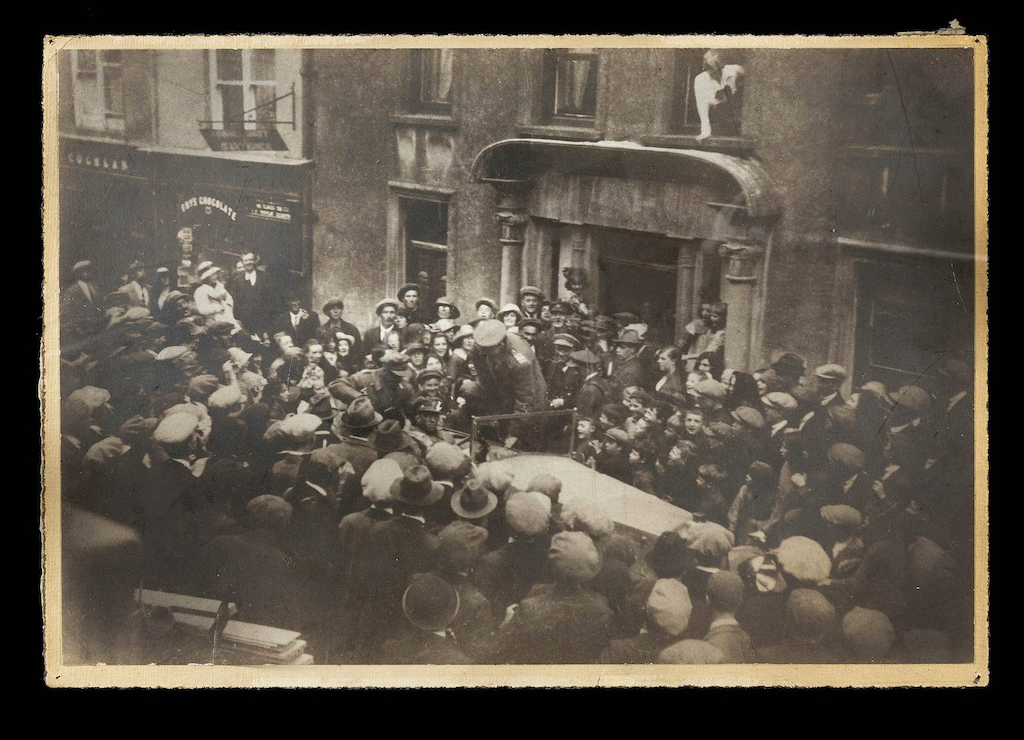
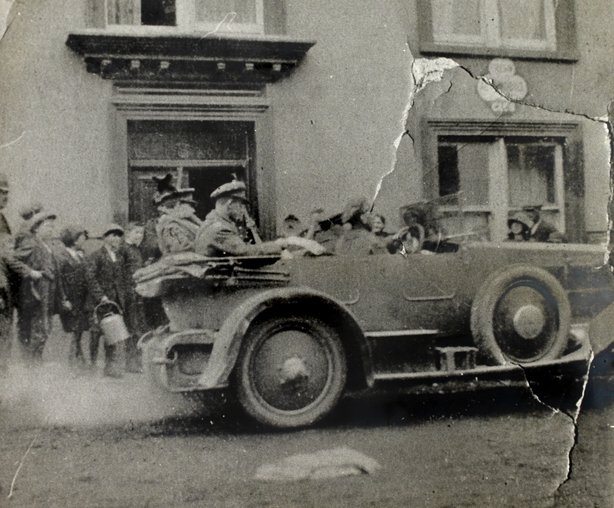
Today (Monday, August 22) is the day exactly 100 years ago when Irish rebel leader, Michael Collins, was killed in an ambush near Béal na Bláth in his native county, a single bullet penetrating deep inside his brain. It is believed he died instantly.

Strangely, he was the only person killed or injured on that particular afternoon in a serene, bucolic wooded hillside on the bend of a countryside road in rural Cork.

Stranger still, especially considering Collins was the most popular and well-known person in Ireland at that time and probably could have been the new Republic of Ireland’s first-ever official President, no proper postmortem was ever conducted on his body. 

And the armored car he was travelling in on that fateful day was taken out of Ireland within weeks, then transported as far away as possible, all the way to Africa, to British-held Kenya. 

And isn’t it too coincidental that sworn enemies of Collins including Eamon De Valera, Erskine Childers, Liam Lynch and other anti-Treatyite leaders were all gathered together just a few short miles from the very spot where Collins was killed?

Bewildering mystery still surrounds this entire tragic incident, one that led to the transformation of Irish society with the Catholic Church being given almost complete control and oversight of the nation, including its all-important health and education systems by Eamon De Valera, a man bitterly jealous of the respectful moniker the charismatic Collins had earned among most people at the time in Ireland – The Big Fella.

With all this in mind, I spent much of the last three weeks, including an exhausting marathon 21-hour writing session this past weekend – completing my fictional version, based in part on verified historical facts, as to who planned, plotted and assassinated Michael Collins. And what they had to gain from such a dastardly act.

As part of the research for my book, I also travelled from Donegal to Béal na Bláth to see the site of the ambush and also held discussions with officials at the Michael Collins House Museum in nearby Clonakilty.

The result of all my efforts is ‘Driver’s Diary – Death At The Mouth Of Flowers.’

Some people may find various scenes in my book morally upsetting. Not by their graphic nature, but because they deal with sensitive social taboos such as homosexuality and clerical deceit, hypocrisy and worse which still unfortunately have not gained widespread acceptance in some places.

Some readers may also find the climax of my book – whilst credible and based on existing background evidence – too shocking to contemplate.

To encourage healthy open public debate on an event that created such long-lasting effects on an entire nation and before being published as a book available on various platforms for sale, I am making ‘Driver’s Diary – Death At The Mouth Of Flowers’ available free online until the end of this week, midnight Sunday, August 28.

Regardless of whether you agree with my conclusions or not, I truly hope you enjoy my story, one written with the best of literary intentions.

READ DRIVER’S DIARY HERE

New Irish Government was decided BEFORE the elections

Weeks before the recent Irish election was even announced and long before the first votes were cast, representatives of Fianna Fail and Fine Gael met behind closed doors to cut a deal, with one solitary aim in mind – to keep Sinn Fein out of government.

At the same time, generously funded by major corporations, banks and developers, highly-paid public relations specialists in the pockets of these two same political parties were instructed to create what’s known as a ‘news camouflage.’

To avoid any fall-out from someone learning about these secret meetings, they spun a story through a web of overly acquiescent Irish media that these two political parties would instead discuss forming a coalition with other minor parties.

irish elections, elections in ireland

Coalition terms were discussed on behalf of these two men by their representatives BEFORE the Irish election was even announced.

It is a well-planned and co-ordinated charade to create a facade of democratic fairness.

Among those most wanting Sinn Fein side-lined at all costs was Jim O’Callaghan, wealthy Dublin barrister, senior counsel and Fianna Fail’s justice minister, a man who only managed to get elected on the eighth (8th) count, beaten by Sinn Fein candidate, Chris Andrews.

O’Callaghan is brother of millionairess and RTE presenter Miriam O’Callaghan who infamously grilled Sinn Fein leader, Mary Lou McDonald, on a pre-election ‘Leader’s TV Debate’ on – guess what – justice issues.

In doing so, she used an archaic 13-year-old audio report excavated from deep within the archives of the BBC as a weapon. It may come as no surprise to many whom Miriam’s husband, Steve, works for.

Yes, you guessed right. The BBC.

The O’Callaghans, like many wealthy people in Ireland today, would be required to pay a little more in taxes under a Sinn Fein led government, with loose tax avoidance loopholes used by many rich people closed. These taxes would help close the gap between rich and poor and ease the housing, health and education crises mainly affecting working-class people.

Reflecting growing popular interest in the economic inequalities in Ireland, a blog I wrote before the elections on the O’Callaghans attracted a massive 20,348 views from readers in just one week. More than 2,000 readers every single day.

 That being said, here is my prediction.

Within the next two weeks – after demonising Sinn Fein as a ‘cult’ through a slick and expensive media campaign (thus demonising half a million Irish people who voted for that party), Fianna Fail and Fine Gael will announce a new Centre Right government.

The word ‘change’ will be sprinkled liberally throughout their joint manifesto and media interviews and they will announce they ‘have put aside their differences —- in the interests of the country,’ thus positioning themselves as some kind of ‘national saviours.’ 

Sinn Fein President, Mary Lou McDonald, won more votes for Prime Minister than both existing PM Leo Varadkar and Fianna Fail leader, Micheal Martin.

I predict this development with sadness, but with confidence gleaned from 40 years of journalism experience in Ireland, the US and mainland Europe. 

And on this election issue, I’ve got things right so far.

I predicted Sinn Fein would get more than 30 seats.

I predicted the five politicians who would be elected in my own constituency of Donegal

I predicted Pat the Cope Gallagher, a Fianna Fail member of parliament for 40 years, a man with whom I had a public run-in would lose his seat, with many people telling me such a prediction was like Manchester United being relegated from the Premiership.

With the Cheltenham races coming up, perhaps I should make a few big bets for I even predicted the following two weeks ago in my blog –

“… on voting day tomorrow (Saturday), will the final outcome be any different from that over the last 100 years? Sadly, regardless of Sinn Fein receiving a well-deserved boost, hopefully above the 30 mark, I don’t think so.

If past results are anything to go by, we will remain with a Centre Right majority that kowtows to wealthy individuals, major corporations, banks, vulture funds and major land developers offering tax breaks and other incentives. A coalition that steadfastly fails to rectify the growing, severe inequalities in social life here.”

The truth is simple. Fianna Fail’s Micheal Martin wants to be Taoiseach, Fine Gael’s Leo Varadkar still wants to be in Government. And they both need to pay back their rich sponsors, both individuals and corporations.

Such was the huge turnout for this week’s Sinn Fein public meeting at Dublin’s Liberty Hall, site of many famous events hosted by socialist leaders such as 1916 Revolution leader James Connolly, people were addressed both inside and outside the Hall.

As they prepare to announce their Government, it is important to point out the following for context: 

*Sinn Fein elected 37 TD’s, out of 42 candidates;

*10 Sinn Fein candidates topped the polls;

*27 Sinn Fein candidates were elected in the first count.

*Sinn Fein doubled their vote in Dublin;

*Sinn Fein president Mary Lou McDonald won more votes last week for Prime Minister than both the present PM Leo Varadkar and Micheál Martin; 

*Sinn Fein’s Dublin West candidate, Paul Donnelly, elected in the first count, beat Leo Varadkar, who only got elected in the fifth count, the first time in Irish history a Prime Minister has lost his own constituency;

* Sinn Fein candidates in my constituency, Donegal, were both elected on first counts – Pearse Doherty with 21,044 votes, 8,000 over the quota, and Pádraig MacLochlainn, with 13,891 votes, a massive 45% of the total vote;
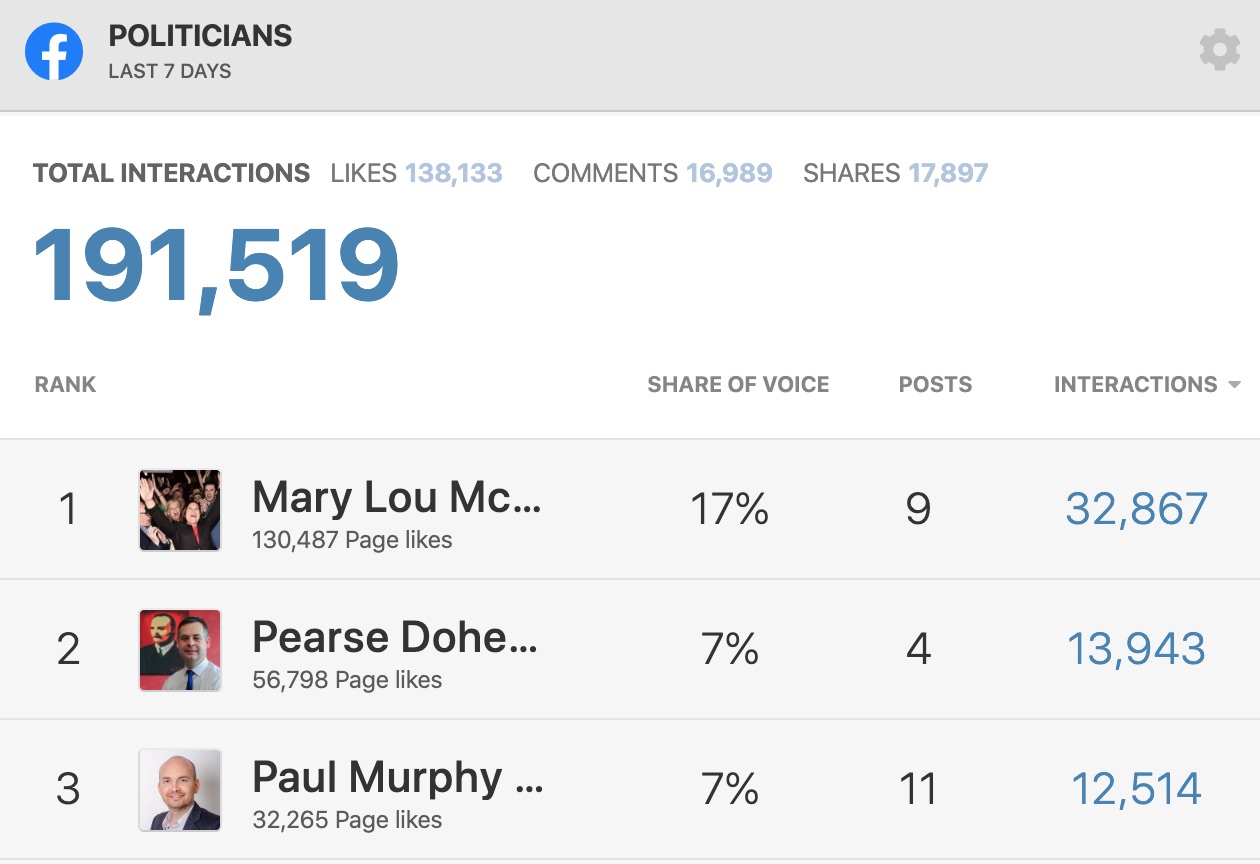
*Sinn Fein’s candidate in Clare Violet-Anne Wynne who received just 385 in the local elections, won over 10,000 votes in the national ones;

*Sinn Fein candidate Johnny Mythen won in Wexford, the first time in 100 years the party has won a seat there;

*Sinn Fein won 45,614 votes, a mere 2.5% of the total in the 1997 election. In 2020, that transformed into 535,595 or 24.5%;

Is it any wonder the O’Callaghan’s and wealthy people like them are fearful.

And so sadly it seems are the Irish media which, displaying its Right-wing bias, has failed miserably to fulfil its role as the Fourth Estate, to serve and protect the public interest.

It refused to report on the emerging banking crisis under Fianna Fail’s watch that left Ireland bankrupt and at the mercy of the IMF and it is now refusing to report the real reasons Sinn Fein is being excluded from Government.

My predictions: Irish election Saturday

My observations of us Irish since returning to live in my native country 10 years ago is that far from the reputation we have in the eyes of other nationalities as an almost swashbuckling tribe of adventurers, we are in fact the most boring, banal and predictable of people when it comes to voting habits.

We, sheep-like, have voted into government mainly one of only two parties since the nation was founded a century ago, our warped sense of ‘change’ being simply to switch from Fianna Fail to Fine Gael and vice-versa now and then.

In doing so, we fail to realize – or worse, realize but lack the courage to accept – that there is simply no difference between these two parties.

What greater evidence do we need of this, if we needed more, than the last five years of Government: these two parties having been in what is strangely termed a ‘confidence and supply’ relationship. In effect, a coalition government under a different guise.

elections 2020 ireland, vote in 2020 ireland,

My advice: take a chance on change. It’s long past time and no less than what you deserve.

Consequently, shocking ongoing crises in key sectors such as health, housing and social welfare have occurred under the watch of both parties. They are both equally guilty of neglect and disservice to the people of Ireland. And Fianna Fail bankrupted Ireland not so long ago, leaving teachers, nurses and others on the scrap heap, and some of its TDs then are running again, including its leader.

So, on voting day tomorrow (Saturday), will the final outcome be any different from that over the last 100 years?

Sadly, regardless of Sinn Fein receiving a well-deserved boost, hopefully above the 30 mark,  I don’t think so.

If past result are anything to go by, we will remain with a Centre Right majority that kowtows to wealthy individuals, major corporations, banks, vulture funds and major land developers offering tax breaks and other incentives. A coalition that steadfastly fails to rectify the growing, severe inequalities in social life here.

Through the election campaign, I continue to be deeply disillusioned by the media in Ireland and their bias. For example, do many people really believe there was a dead-heat between Fianna Fail and Sinn Fein, 24-24 percent, in the Red C poll for the Business Post? What decent, well-organized poll ends up in a draw? It is not even mathematically possible as you poll an odd number of people, not an even number, to make sure there is an outright winner.

A caveat to this is that my wife, Columbia from Romania, who will, I believe like many emigrants, vote Sinn Fein, received a call from Red C. But when she said she lived in Donegal, they refused to take her details, telling her they had enough people from Donegal.

Surprising to say the least, as Red C had boasted its poll was a ‘random’ one. This simple incident proves it was far, far from that. It is no coincidence that, with Sinn Fein poised through Pearse Doherty and Pádraig Mac Lochlainn to attract more votes than any other party in Donegal, Red C pollsters were told not to take anyone from Donegal in the so-called ‘random’ poll.

I feel Sinn Fein was probably the winner in that poll but a national business newspaper handing this particular party the lead in such a crucial election would have been tantamount to treachery in the eyes of the newspaper’s owners and its well-to-do readers.

vote in 2020 ireland, irish elections 2020

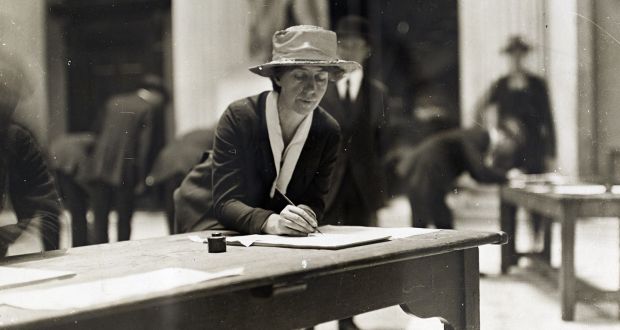
Let a woman take the lead. (image from first-ever Irish elections)

Or take The Irish Times, for whom I worked as a foreign correspondent. At least, they had the decency to portray their poll results honestly. Sinn Fein as outright winners.

But then a strange thing happened, the newspaper started spinning the numbers in an effort to reduce the prestigious victory of Sinn Fein, mixing in other numbers to the point of confusion.

There was even a bizarre moment during its live election debate from Trinity College earlier this week for subscribers when event host, Hugh Linehan, the newspaper’s arts and culture editor, said the poll might have created ‘a self-fulfilling prophecy’ and encouraged other journalistic colleagues on the panel to agree with him, which political correspondent, Pat Leahy (formerly of the Business Post) gleefully did.

How can a poll be ‘a self-fulfilling prophecy’? It’s as if a poll is an unseen power outside in the ether controlling the minds of people. Simply ludicrous. A completely irrational attempt at spin.

Keep in mind also that election podcasts by The Irish Times since the campaign began featured four men in key intro voiceover sound-bites, Fine Gael’s Leo Varadkar and Fianna Fail’s Micheal Martin, another Fine Gaeler and an Independent. No mention of Sinn Fein’s Mary Lou McDonald, who won the newspaper’s own poll as most popular person for Taoiseach and Sinn Fein as most popular party.

Not until I pointed this out to the newspaper in several e-mails did they decide to include Mary Lou’s voice.

Beware of Subliminal Election Messages

PREDICTIONS

My predictions for the five-seater in Donegal where I live: two Sinn Fein, one Fine Gael, one Fianna Fail and one Independent.

Pearse Doherty and Pádraig Mac Lochlainn of Sinn Fein and Joe McHugh of Fine Gael will be the first past the post.

Then there’ll be a battle for the last two seats with Fianna Fail’s Charlie McConalogue sweating it out next to get over the line.

Then the Battle Royale for the final seat – between Fianna Fail’s Pat the Cope Gallagher and hard-working Independent, Thomas Pringle.

vote sinn fein, elections ireland

It’ll be a rainy day for some candidates.

It’s past time multi-pensioned Pat, and his brand of old-style politics, retired from the ring. While once a shoo-in, he’s now panic canvassing door-to-door, but I’m hoping Pringle, younger, more progressive, more passionate, will receive his just reward.

Whether you agree with me or not, don’t waste your right to express your opinion. Call me a dreamer, but I still believe voting has as much meaning as we give it, so use it.

Perhaps this will turn out to be ‘the election of the young,’ the one that changes the usual political landscape of Ireland.

Miriam O’Callaghan: the discriminating face of RTE bias?

Miriam O’Callaghan, the wealthy Irish RTE TV presenter (average total annual earnings estimated at over 500,000 euro) came under the hammer today after her appalling hosting of the ‘Leaders Debate’ Tuesday evening – and rightly so.

Her bias in favour of parties such as Fianna Fail, and her severe anti-Sinn Fein stand, is well-known. After all, her brother, Jim, is the Fianna Fail spokesperson on justice.

TV presenter Miriam O’Callaghan’s ‘fitness for office’ is being called into question. Even her co-presenter on the ‘Leaders Debate’ Tuesday evening, David McCullough, seems aghast by her blatant on-air bias.

It’s no wonder then that Miriam gave Fianna Fail’s Micheal Martin an easy ride during the state-owned, 90-minute TV debate than the other two leaders – Fine Gael’s Leo Varadkar and Sinn Fein’s Mary Lou McDonald.

And why she spent so much time criticising Mary Lou McDonald on justice issues. Even her co-presenter, David McCullough, seems shocked by her blatant bias as seen by his expression in the photo above.

For Miriam, I daresay, knows full well not only could her brother’s political career be in danger but also her own massive pay and expenses contract with RTE, a publicly-owned national station, if Sinn Fein gets into power after Saturday’s voting.

I’m referring not just about her huge salary, but also the lucrative contracts production company, Mint Productions, once owned by Miriam and her husband, Steve Carson, who himself worked for RTE, gained from RTE, thus providing even more generous amounts of income and well-paid jobs for their children.

And with Carson now working for the BBC, who could possibly have obtained in such a timely manner a verbatim transcript of an interview with Sinn Fein’s Conor Murphy on Paul Quinn from deep within the archives of the BBC 13 years ago to help Miriam grill Mary Lou with? Even more, who says that is a key issue in this national election, anyhow?

The entire set-up Tuesday evening certainly seems like a complete family affair. Starring the O’Callaghans.

My own run-in with Miriam took place in a television studio when as a journalist I was invited to attend a conference.

Miriam started the day’s proceedings with a few generalities on media and later I asked her about the generous contracts, Mint Productions, gained from RTE.

“Do you or your husband not think these might be a conflict of interest as you worked for RTE in a senior position, as did he?” I asked her.

Her answer: “I don’t know anything about those things. My husband and I don’t discuss professional matters.”

Mary Lou McDonald, elections 2020

Sinn Fein President Mary Lou McDonald out canvassing with friends and supporters.

Tuesday evening’s unprofessional performance by Miriam, I’m afraid, was par for the course.

Four years ago, I wrote this blog on a ‘Election Leaders Debate’ that took place then, at which O’Callaghan was again less than shy about showing her bias.

‘Time for change – real lasting change – time to grow up, we Irish have prevaricated enough’

By the way, here’s a very short excerpt of Miriam talking to ‘Her’ magazine some time ago: The presenter is one of RTÉ’s biggest earners, raking in €300,000 per year but she said money is not a draw for her. “It’s not about the money, it really isn’t. 

My fervent hope is that the Irish electorate has learned over the last few years that certain influential, well-to-do people with much to lose if the old political duality changes will not hesitate to use whatever means necessary to prevent that happening.

Be careful whom you choose as your preferences on Saturday (and put it in pen, not pencil – just in case).

UPDATE: Payback Time

Following Tuesday’s election, debate Fianna Fail’s Micheal Martin wasn’t slow to return the favor to RTE’s Miriam O’Callaghan

Martin promises a household media charge to boost RTÉ


Traditional Irish group Arcanadh woos and wins hearts of audience

Traditional Irish group Arcanadh woos and wins hearts of audience

Another cultural entertainment success for Amharclann

What a terrific cultural contribution this historic theatre provides not just for Bunbeg, not just for the Gaeltacht, not just for Donegal but for all-Ireland, north and south.

World Itineraries's avatarworld itineraries

by Sean Hillen

Six musicians-singers-songwriters with such a wealth of talent it seems blatantly unfair to the rest of us mere mortals – that sums up Irish-group, Arcanadh, which played to an enthusiastic audience at historic Amharclann theater, Bunbeg, northwest Donegal, Ireland this week.

Here I must admit my bias.

In a rare moment of wisdom, I invited this terrific group to tour Romania when I launched the first-ever Saint Patrick’s Day celebrations in that former-Communist country. It was a decision I’ve never regretted.

The result more than 10 years ago was the same as that at Amharclann 72-hours ago – a boisterous appeal for more at the end and an appreciative standing ovation after their final encore.

Members of Arcanadh have known each other for more than twenty years and this is reflected in their smooth light-hearted banter off-song and their seamless harmonies on-song. Their passion for their…

View original post 805 more words