Expenses For Irish Presidency Cost 13,000 Euro Every Single Day

Thankfully, mercy of mercies, the Irish Presidential election is almost over. 

In a few hours, people throughout the Emerald Isle can breathe a sigh of relief. And get on with everyday things, knowing full well that the winning candidate will have barely a whisper of an effect on their day-to-day lives.

They may, however, be a wee bit miffed that election of a person in office for the next seven years with no power to affect their lives will cost them over 35 million euro, over five million a year in salaries and expenses. 

That’s over 13,000 euro for every single day. 

Put another way, it’s over 1,600 euro per hour based on an 8-hour working day.

That could pay salaries for a helluva lot of nurses and doctors to help strengthen Ireland’s woeful health system. Not to mention what it could do for struggling schools and community centres.

It begs the question – Is it worth it?

Sadly, this presidential contest, if one can dignify it with this word, is also probably the most boring in living memory, aside from a single mini-drama when one of only three candidates dropped out, no doubt realising being so far behind in the opinion polls, he’d probably come in fourth. 

It’s also sad that as the two candidates in the race have been well-established party supported national political figures for many years, real refreshing innovative change is obviously not on the Irish agenda for the foreseeable future. Something that’s probably welcome to some of Ireland’s politicians as their salaries and expenses are quite lucrative. Certainly compared to other countries.

This Presidential election has turned out to be the predictable cliche, Left Versus Right scenario, a pretty straightforward political party battle, with Catherine Connolly, who simply left the Labour Party because she wasn’t picked as an election candidate, head and shoulders intellectually above her rival, Heather Humphreys, former Minister for the Fine Gael coalition government partner. A lady who started her campaign with a fixed butter-wouldn’t melt-in-my-mouth regal smile until, seeing herself well behind her rival, suddenly grew fangs. Much too late.

What’s most depressing about this whole Presidential affair is that the leading parties in Ireland turned this election into ‘them-versus-us’ party political battle, thus making sure the next President of Ireland, the only position based on a national vote, would not be handed to a truly Independent candidate with experience on both the left and right of centre, someone from a working-class background but successful in business, someone with fresh new ideas, vision and comprehensive international experience, something sadly neither candidate possesses.

Welcome to Ireland. Land of the Status Quo!

Sinn Fein’s Presidential decision – a case of the tail wagging the dog

Is Sinn Fein’s decision this weekend to support Independent candidate, Catherine Connolly, in November’s Irish Presidential elections a case of the tail wagging the dog?

It certainly seems so.

After much dithering and delay, Ireland’s third ranked political party – which not so long ago could have topped the polls nationwide and emerged as the nation’s leading party if they’d only put forward more candidates – could not even decide on its own Presidential candidate, party member or not.

Instead, it meekly followed in the wake of other smaller Left-leaning parties who have been supporting Connolly for many months.

Catherine Connolly – established Irish politician.

If that’s not the tail wagging the dog, what is? 

No matter how well the story is spun – and sadly Sinn Fein party leader Mary Lou MacDonald offered an ‘over-the-top’ act to do so a few days ago, uttering the superlative cliché ‘game-changer’ – this non-decision decision may come back to bite her and her colleagues. 

While they won’t say it publicly, the other Left wing parties in Ireland are now frothing at the mouth at the possibility of stealing parliament seats from Sinn Fein at the next election.

Unfortunately, Mary Lou made the situation even worse this weekend when she tried vainly to justify choosing Connolly by saying recent Irish presidents had been elected “from outside the political establishment” and that Connolly was following in that tradition.

What a load of nonsense.

Catherine Connolly has been an ‘established’ politician for the last quarter of a century, beginning as local councillor in Galway, then rising to Mayor five years later, then becoming a TD ten years ago. For goodness sake, she was even chairperson of Ireland’s national parliament for a full four years.

If that’s not ‘established’, what is?

Even the present President of Ireland Michael D. Higgins, elected not once but twice over the last 14 years, was a ‘classic established politician.’ For almost half a century including stints as Labour Party president, Senator, TD (Member of Parliament) and even as a Minister. 

One has to ask oneself ‘Who the hell is writing Mary Lou’s scripts. And who’s conducting her research?”

I’ve always been Left of center in my political outlook, and would like Sinn Fein to be in Government and shake up the meagre mediocrity of Irish politics. But with poor decisions like this one over the Presidency, I fear that’s not going to happen any time soon.  

Sinn Fein has shown itself in many instances to be a no-risk party, including its electoral management strategy in Donegal where I now live. In order for it to justify its claim as a leading party, it needs to take risks. But time and time again, it has shown itself to be very much risk averse.  

My humble view is that Irish people are desperate for a fresh face in Áras an Uachtaráin, the official residence of the President of Ireland, someone truly not involved in Irish politics. Someone with the international experience necessary to conduct the role of Presidency in a strong diplomatic manner. They simply don’t want the Presidential race to be based along worn, age-old political party lines.

That’s why someone like Gareth Sheridan – a man whose US-based company has accumulated losses of 40 million dollars and who has himself already been fined for misleading people about his business and whose main business partner is said to have links with Russian oligarchs – has managed to get two county councils in Ireland to nominate him as a Presidential candidate. 

That’s how desperate Irish people are to find someone new. 

Mary Lou went half way by talking about the need for someone new. 

But then she went right ahead and selected someone straight from the old political establishment. And to make matters worse, someone other parties had already selected a long time ago.

It seems Sinn Fein may have just bought the ruling coalition of Fianna Fail and Fine Gael an early Christmas present.  

Meet The Real Simon Harris – The Dishonourable Duke Of Duping

Is it not reprehensible – the height of hypocrisy in fact – that Simon Harris the leader of the Irish Government  – has the audacity to accuse Sinn Féin in recent weeks of ‘duping’ people when it expelled several party members for substandard social behaviour?

Simon Harris – the Dishonourable Duke of Duping.

The Cambridge dictionary definition of dupe is ‘to deceive’ and if anyone is guilty of deception, it is Harris and his colleagues in the coalition Government of Fine Gael, Fianna Fail and the Green Party.

Over the last four years since being in power – and for many years before that – these parties have been nothing less than ‘repeat offenders,’ constantly deceiving the ordinary hardworking people of Ireland with false promises of a quality lifestyle as befitting a nation that is one of the earliest members of the European Union, then called the European Economic Community, or EEC for short, back in 1973.

Instead, however, we have one of the most disastrous health systems on the continent, with people waiting years for life-saving surgeries, often dying before they receive it; we are awash in homelessness and poverty, with an estimated people 30,000 living on the streets, including thousands of young children and infants; we have a forsaken, forgotten, forlorn State where retirees and newlyweds alike are unable to afford the rent of a simple home, never mind the financial resources to even remotely consider buying one to end or begin their lives together in a modicum of comfort.

Not only does the Dishonourable Duke of Duping continue to deceive people that after all these years he’ll one day consider putting a roof over our heads, but he himself basks in the lap of luxury in one of the most expensive and elitist places in Ireland, the scenic coastal town of Greystones in county Wicklow, where he was born, where he lives and where houses cost up to two million euro, and more.

But is it not somewhat harsh of us to criticise the Dishonourable Duke of Duping for his lack of common decency? Is it not unfair to ask a man of such Royal blood living in such a high falutin’ environment to understand the plight of so many desperate Irish people? Is that not akin to asking King Charles of England to make his own cupán tae once in a while?

Shamefully, while the wealthy in Ireland (many of whom are the Dishonourable Duke of Duping’s closest neighbours) while away their days in decadent lifestyles with fancy homes in fancy places or travel in  environmentally-damaging private jets (which the Dishonourable Duke of Duping does frequently) and indulge their whims in ostentatious holiday homes abroad (which the Dishonourable Duke of Duping often does), modern Ireland suffers the worst housing shortage in its entire 100-year history. 

Studies show less than a third of 30-year-olds own their home. Over half of all newly-built homes in greater Dublin alone were bought or developed by global vulture investor funds, thus locking countless people out of ever attempting to buy one. These ‘vampire funds’ don’t buy homes to sell, they buy them to extract high rents in perpetuity. In other words, they suck the lifeblood out of decent Irish society.

And to make matters worse, the Dishonourable Duke of Duping and his cadre of Government lackeys allowed a temporary no-fault eviction ban in Ireland to lapse last March, thus opening the floodgates for more than 15,000 notices of termination to be issued last year, making the number of evictions higher than it was during the Famine in the mid-1800s. 

For centuries, gutless, greedy, often absentee, landlords, have been the scourge of Ireland, rich, ruthless people who with the click of a finger, a scribbled signature on a sheet of paper, thoughtlessly tossed hungry families out into the ditches. 

Now it seems the same is happening all over again in modern Ireland, this time under the dictatorial rule of the Dishonourable Duke of Duping and his ignoble entourage.

Instead of urgently dealing with these major social and health issues that are making the lives of so many Irish people intolerable, Harris and his well-to-do cohorts, including Government coalition leaders, Micheál Martin of Fianna Fail and Roderic O’Gorman of the Green Party, are pointing their grubby finger at Sinn Féin, an oft-used political ploy to distract popular attention away from the real issues, and their own failings on them. 

In doing so, however, these ‘I’m-better-than-you’ leaders fail to realise something important. While the bitter winds of winter howl at our doors, while Storm Ashley batters the coast this weekend, Irish people are not bears. They are not hibernating. They are wide awake. And fearful. And hungry. And cold. And they remember the empty promises made to them from on high four years ago, and for many years before that.  

Maybe, just maybe, we should ask Sinn Féin leader Mary Lou McDonald to re-tell the story of these empty promises once more, to remind us how easily we were taken for fools. And in doing so, help us make sure the Dishonourable Duke of Duping and his Royal patrons don’t sneak back into power through the back door and make jesters of us for another four years in their Court of Failure.

Maybe, just maybe, we’ve learned our lesson and are wide awake enough to elect Sinn Féin, the ‘Party of Change’ and improve things for the better. For each and everyone of us, our parents, our children and the generations who come after. 

Journalism: a funny thing, sometimes

Sometimes it’s not writing about political showmanship and skullduggery or economic booms and busts that create good journalism.

Sometimes, it’s the simple quirks of everyday life that make for a good story.

You can imagine my delight in unearthing these two tales of near disaster in Donegal that end happily.

They give new meaning to the term ‘missing people.’

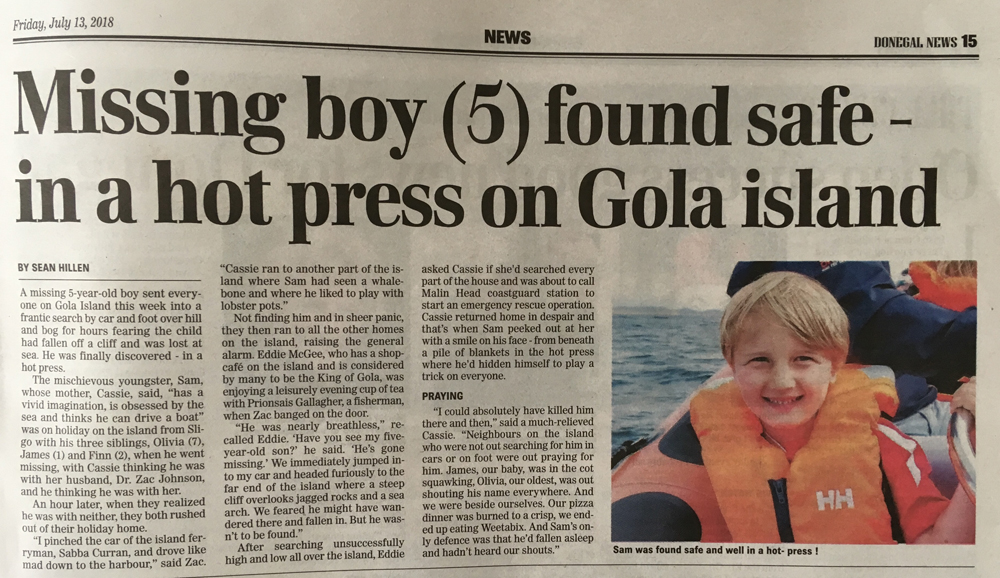
Missing boy (5) found safe – in a hot press on Gola Island

gola island donegal, donegal tourism, gaeltacht tourism,

He almost ‘missed the boat’ 

gaeltacht tourism, gola island, donegal tourism


Giant green Easter bunnies roam the Hills of Donegal

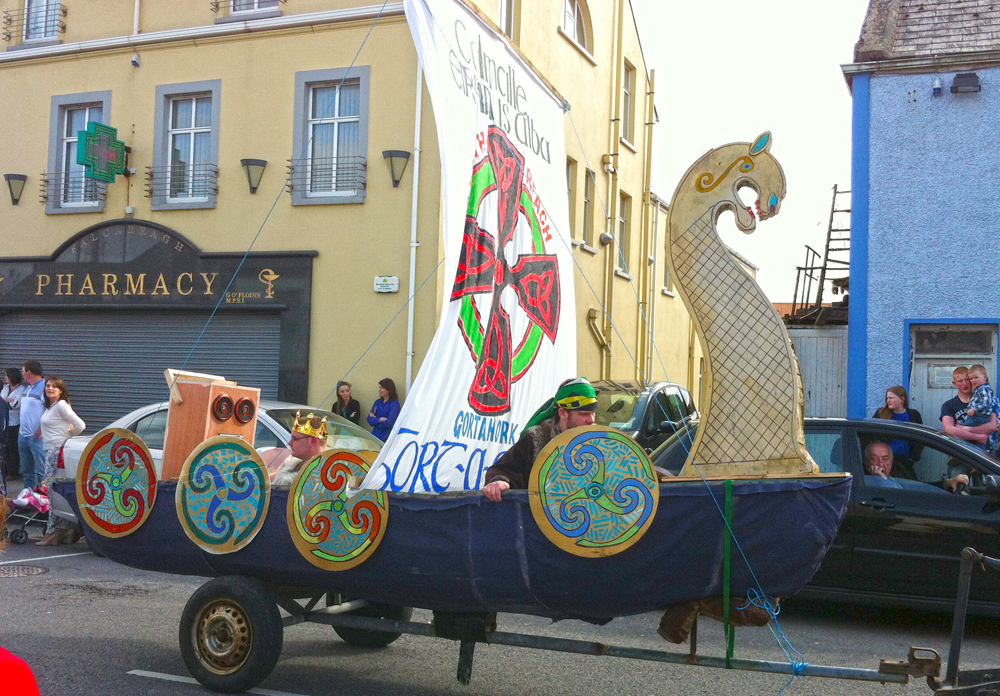
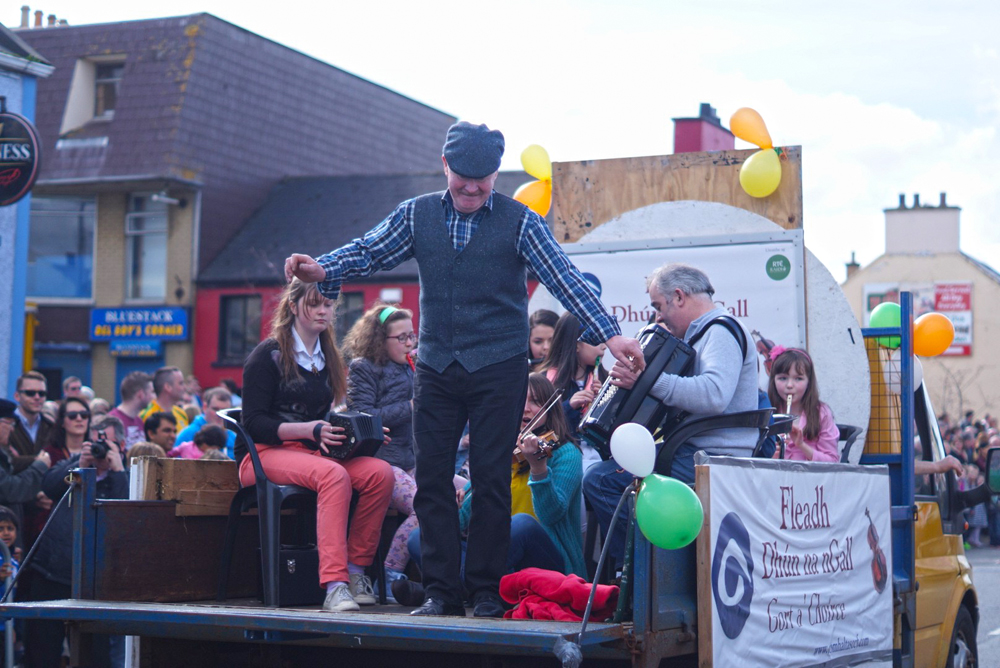
Having to postpone their March 17 national day celebrations didn’t dampen the indomitable spirit of many people in Falcarragh this past weekend – they simply doubled up for Easter and held a bigger parade then. As a reward for such creativity and can-do attitude, the weather was immensely kind, with the rare sight of azure blue skies, a few fluffy white clouds and warm temperatures well into the teens.

Photo by Tony Hillen

Photo by Tony Hillen

So successful was the event, some say there’s now a move afoot to keep the ‘two-fer’ tradition alive – thus making the Donegal Gaeltacht town unique throughout Ireland by unifying twin celebrations in a single grand one. photo 2

Scouts have now been sent out to find a friendly green bunny that has been seen hopping around the area recently to be next year’s Parade Grand Marshall.

photo 4

So if you’re a Pantheist, a Christian or follow any other faith, whether you believe in the Pagan fertility Goddess Eastre (otherwise known as Easter, Eostur, Eastra, Eastur, Eostra or Eostre), Yeshua (otherwise known as Jesus Christ), Gautama Buddha, Muhammad, Horus, Brahma, Vishnu or Shiva or any other spiritual mentor you admire, then maybe Falcarragh is the place to be next year.

Photo by Tony Hillen

Photo by Tony Hillen

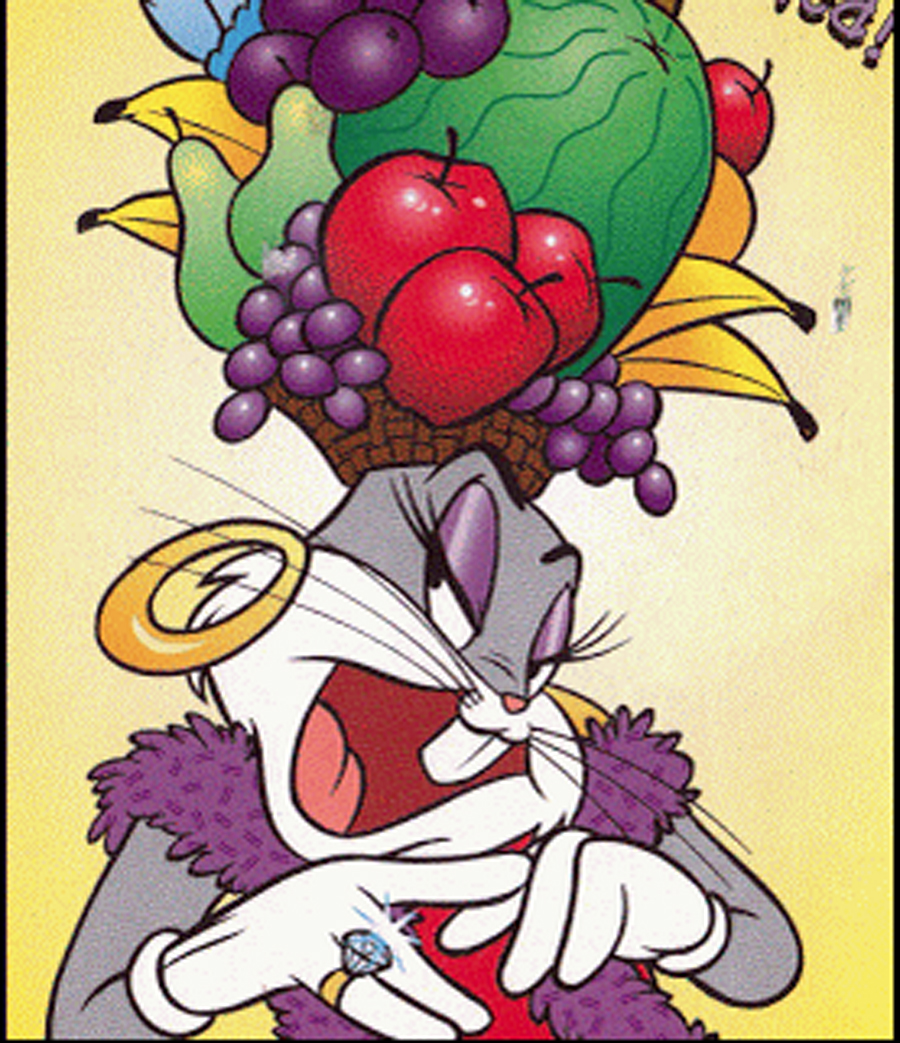
In the immortal words of the Almighty Long-Eared God of Disguise himself, “Eh, what’s up Doc? Don’t take life too seriously. You’ll never get out alive.” bunny

Raiders of the Lost Archives

Finding a killer is no easy matter – more so when government agencies don’t want you to.

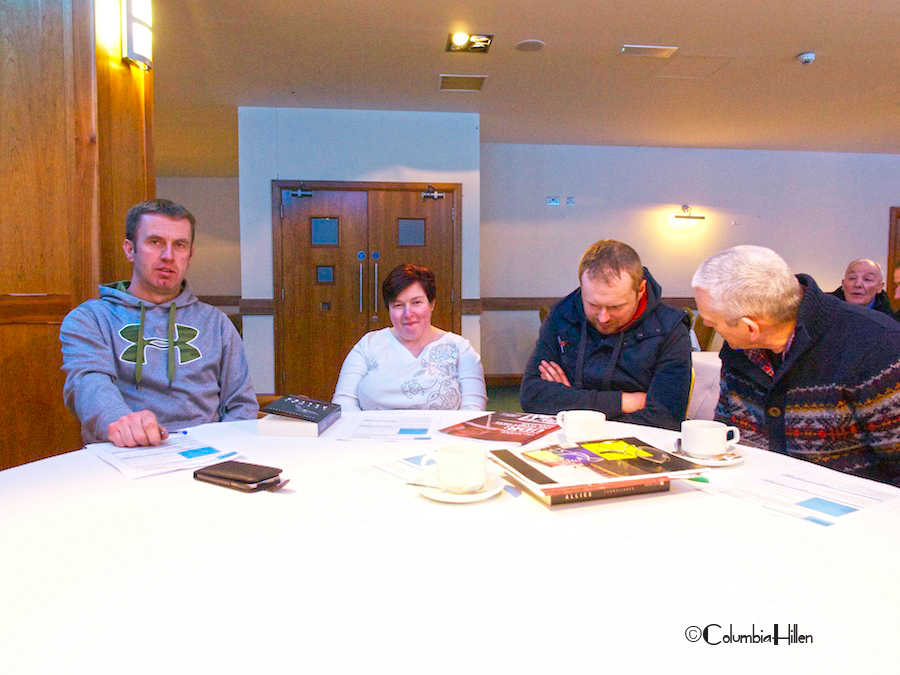
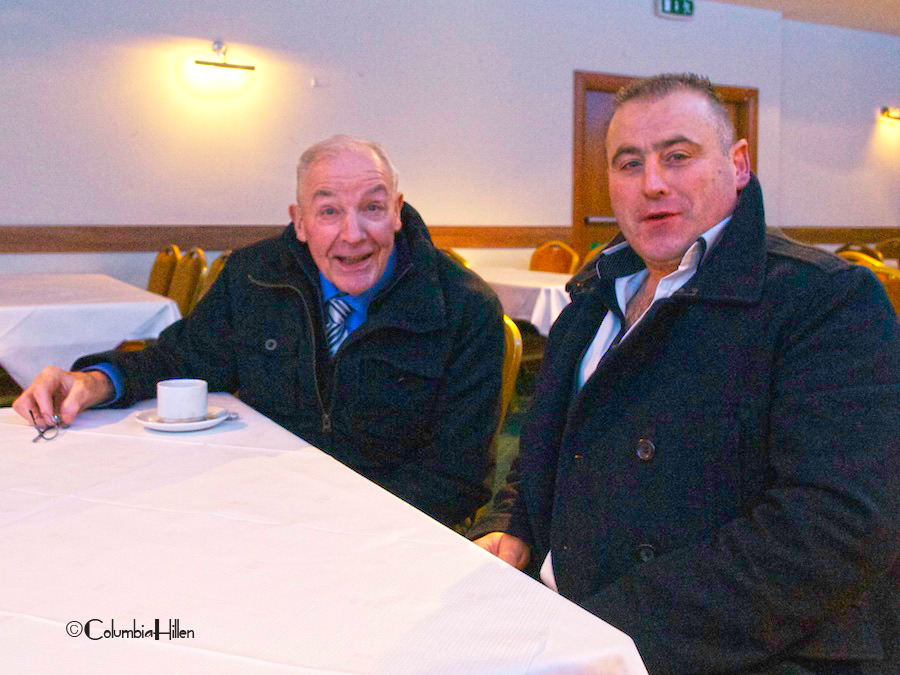
That’s why a small team of highly-committed people proudly refer to themselves as ‘raiders of the lost archives’ and this past weekend they arrived in Letterkenny to discuss what they’ve discovered through their painstaking murder investigations.

OLYMPUS DIGITAL CAMERA

Paul O’Connor and Anne Cadwallader are leading members of the Pat Finucane Centre, which, for many years, has been forensically examining sensitive British government documents and interviewing hundreds of people to expose the ruthless collusion between Protestant paramilitary extremists who murdered many Catholics, and the RUC, the former northern Irish police service, and the Ulster Defence Regiment (UDR), once the largest regiment in the British Army.

OLYMPUS DIGITAL CAMERA

Indeed, their investigations have revealed that some of the cold-blooded murderers were actually full-time or part-time members of the above mentioned ‘security forces’ with easy access to rifles, guns, grenades and other weapons used in the killings.

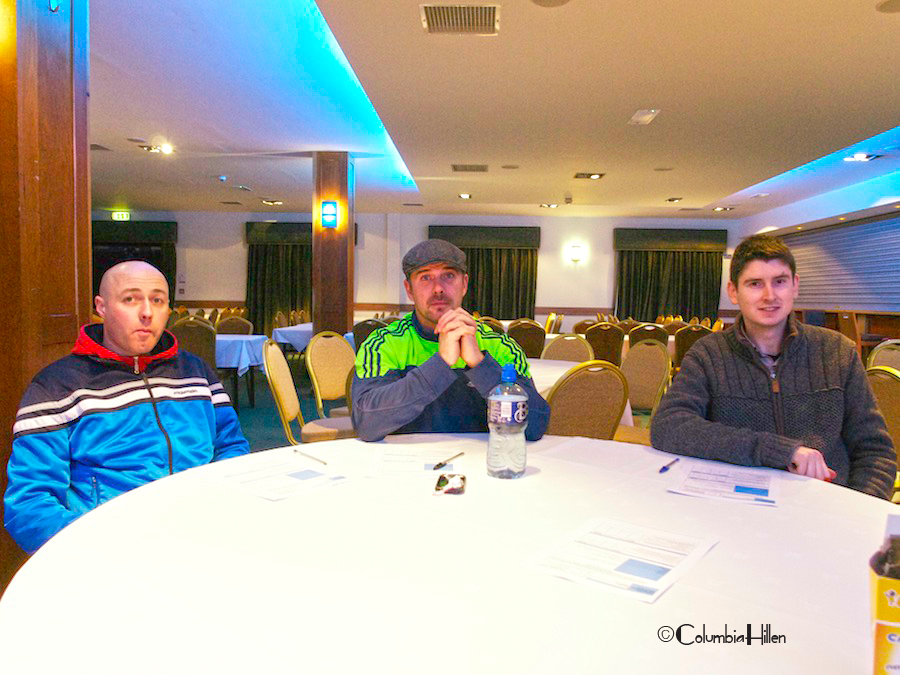
Some of their findings as revealed at the Station House Hotel Friday evening –

  • 120 paramilitary murders, one-third of which took place in the Republic, show RUC and UDR involvement;
  • At least two members of the UDR were involved in the roadside massacre of the Miami Showband music group in July 1975 in County Down;
  • Both members of the RUC and the UDR were involved in the bombing of ‘The Step Inn’ in the town of Keady that killed two people and injured more than twenty;
  • RUC officers and UDR members were part of a gang operating from two farms in south Armagh and Tyrone, responsible for the deaths of 120 people between 1972 and 1976;
  • British government documents acknowledge authorities knew some UDR and RUC members would also join extreme Loyalist paramilitary groups such as the Ulster Defence Association (UDA), the Ulster Volunteer Force (UVF) and the Ulster Freedom Fighters (UFF);
  • Compensation paid out to families of some of those whose loved ones were murdered amounted to a paltry 750 pounds sterling;
  • British government documents listing the amounts of arms that went  ‘missing’ from UDR armories showed a single gun was used to kill 11 people in 11 months;
  • No RUC officer has ever been convicted of any of the murders;
  • Four British soldiers have been convicted of murder in northern Ireland – all were released after serving less than five years of their life sentences. All were allowed to rejoin their regiments;
  • The Special Branch was allowed to operate as “a force within a force” and often decided not to give information to the Criminal Investigation Department;
  • The British government will not allow a review of its secret files on bombings that killed many people in Dublin and Monaghan, not even by an agreed judiciary figure;
  • In explaining the mere suspension of police officers involved in murder, Lord Chief Justice Lowry said, “…. more than ordinary police work was needed and was justified to rid the land of the pestilence which has been in existence.”
  • Scores of cases are now before the Office of the Police Ombudsman for Northern Ireland and civil cases are pending against the Chief Constable and the British government.

In concluding the evening, O’Connor, the centre’s director, and Cadwallader, a former BBC and RTE journalist, posed a number of questions:

  • Was truth covered up systematically by the British government to protect the reputation of the RUC?
  • Did the British government as a former colonial power adopt the technique of using one tribal group against another through counter gangs as it did in Kenya under General Frank Kitson, who also served in northern Ireland?
  • Was there a government policy to kill Catholics in an effort to turn popular opinion within that community against the IRA? In other words ‘if you can’t kill the fish, poison the water.’

Notes

The Pat Finucane Centre, a non-party political, anti-sectarian human rights group supported by the European Union’s PEACE III programme, is named after a Catholic lawyer who was shot dead by Protestant loyalists in front of his wife and children at his north Belfast home in 1989. A review of the case by Sir Desmond de Silva showed RUC officers proposed that Finucane, 39, be killed, passed information to his killers, then obstructed the murder investigation. The findings have been accepted by the Northern Irish Police Service. While describing the level of state collusion as “shocking,” British Prime Minister David Cameron ruled out a full public inquiry.

The event at the Station House Hotel was organized by Abhaile Arís, an EU funded programme supporting the Republican ex-Prisoner community.

A book produced by Anne Cadwallader (Mercier Press) entitled Lethal Allies: British collusion in Ireland, focuses on 120 killings attributed to loyalist groups between 1972 and 1976. It draws on investigations compiled by a specialist group, the Historical Enquiries Team (HET), which is re-examining deaths during the northern Irish conflict.

OLYMPUS DIGITAL CAMERA

OLYMPUS DIGITAL CAMERA

OLYMPUS DIGITAL CAMERA

OLYMPUS DIGITAL CAMERA

OLYMPUS DIGITAL CAMERA

OLYMPUS DIGITAL CAMERA

OLYMPUS DIGITAL CAMERA

Whale sightings off Donegal coast encourage educational and tourism efforts

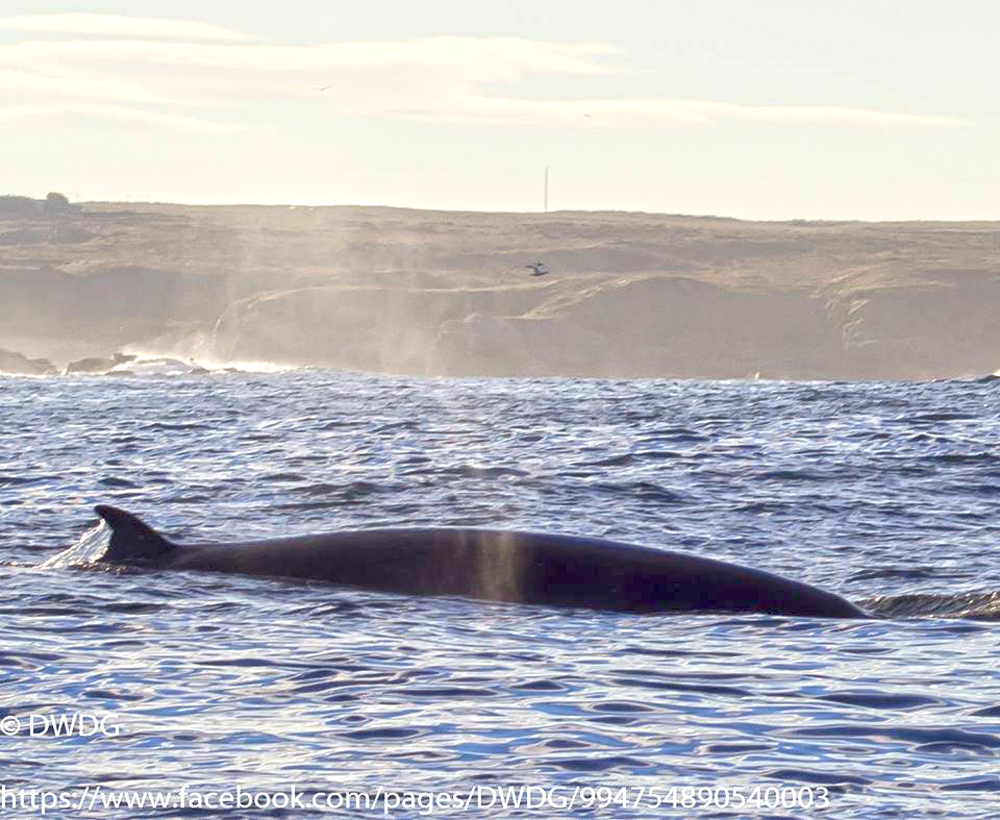
Approaching within 30 feet of a minky whale out on the Atlantic takes courage – but such is his concern for the welfare of local marine life that’s exactly what Gareth Doherty did recently.

With the sighting of so many such baleen whales off the northwest Donegal coast over the last few weeks, Doherty, a skilled seaman (he manages Selkie Sailing in Gaoth Dobhair) and knowledgeable environmentalist, realized it would be a prime opportunity to try to identify them and monitor their movements and thus understand better the thriving whale population off Irish coastal waters.

whales 1

“It is only by recording the twenty-four cetacean species recorded thus far in Irish waters that we can protect them,” he said. “The fact that so many are now visiting us is wonderful news.”

whales 6

Doherty also believes that greater numbers of such healthy marine animals locally means greater opportunities to both educate people about this vital segment of sea-life and strengthen environmental tourism efforts throughout Donegal.

Here is yet another local cultural tourism-cum-educational project worthy of financial support. Udaras na Gaeltachta, the state-sponsored economic support group in the area, has refused to pay for much-needed equipment for Selkie Sailing.

Readers of this blog and of a series of articles I penned for the Donegal News will remember Gareth for the sterling work he and others did to bring important publicity about the plight of a pod of stranded whales at Ballyness beach in Falcarragh earlier this year.

whales 2

Not only did Gareth and colleagues highlight the stark inadequacies, both in equipment and training, of the National Parks and Wildlife Service to deal with such incidents (it has since become known that Donegal wildlife officials didn’t even take sample tissue from any of the dead whales to ascertain what may have stranded them and led to their slow suffocation) but they also banded together to organize marine lifesaving training programs for people that continue even now.

Visiting my Bun na Leaca home recently, Gareth said his intention was also to launch a series of educational visits to local schools to make presentations about the importance of marine life around our shores. It is an excellent idea and there seems no more qualified and enthusiastic a person to host such a program than Gareth.

whales 3

Minke whales grow to about nine meters in length, weigh around 10 tons and can live about 50 years. Their bodies are dark grey to black on the back and lightening to white on the belly and undersides of the flippers. There are often areas of light grey on the flanks, one just above and behind the flippers and the other behind the head. Those in the northern hemisphere usually have a diagonal white band on the upper surface of each flipper. Smallest of the seven great whales, minkes often enter estuaries, bays and inlets and feed around headlands and small islands.

Updates can be checked on Selkie Sailing.

The Irish Whale and Dolphin Group assisted with local training programs.

Celtic or Hibernian: which is rightful heir to the Irish tradition in Scotland?

As a Donegal blow-in, I’ve just completed what some here in Ireland’s ‘Forgotten County’ call a key ‘rite de passage.’

photo copy 5

‘Wee Jimmy’ – a winger with panache and a Celtic footballing hero.

On the invitation of Celtic Football Club management, I made my first-ever visit recently not only to the historic city of Glasgow – where half the people in Donegal seem to have originated, and vice-versa  – but also to the venerable stadium known as Parkhead, home of the Hoops, an illustrious team that has become nothing less than a cultural icon for many generations.

So, on a crisp, dry Saturday afternoon, two hours before kick-off against third-placed Inverness Caley Thistle, I found myself walking along a long inner corridor on the upper tier of the stadium lined with the framed autographed shirts of former players including Ireland’s captain, Robbie Keane, Honduran Emilio Izaguirre, Swede Henrik Larsson, Charlie Mulgrew and Kris Commons.

photo copy 4

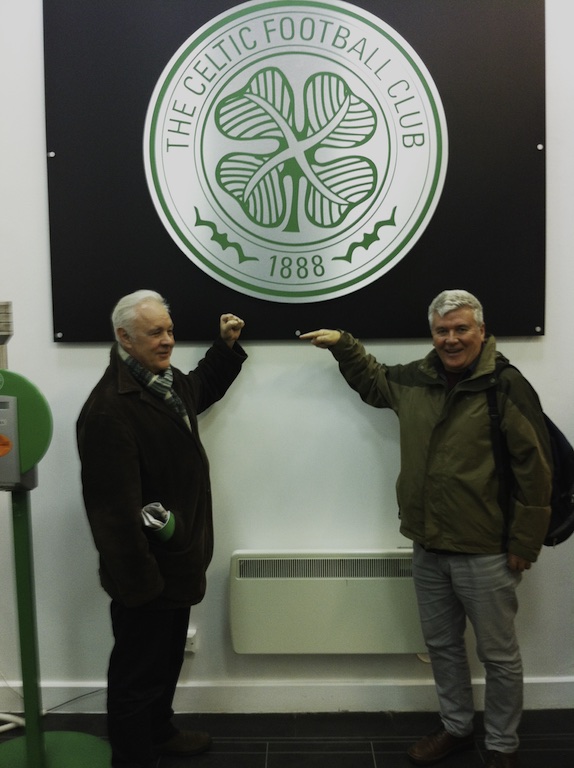
Two gray-haired Celts – Professor Pia (l), footballing expert – ahead of game time.

Within minutes, I was seated in the warm comfort of Café 1888 (the year the club was formed) enjoying a tasty lunch rapidly replenished with alcoholic beverage learning about the trials and tribulations not only of Celtic but of Scottish football in general.

And according to the man sitting opposite me – and no better person to grant illuminating insights than someone who has penned not one but three excellent books on Scottish football (‘The Quiet Man’, ‘Scotland’s For Me’ and ‘Sunshine on Leith’) – footie across the water is not in a healthy state.

Not withstanding that my companion, Simon Pia, long-time journalist and now professor at leading universities in both Edinburgh and Glasgow, has been a ‘Hibbies’ (those persons, who for reasons most bemusing to many Celtic supporters, support Hibernian FC) and that his team now lingers in the shadows of the second division, his insights into the sport in his native land were thoughtful and well considered.

photo copy 7

With Scotland battling Ireland this Friday in the Euro Championships, captain Robbie could be a deciding factor.

With money in short supply – at least compared to the massive amounts enjoyed by teams in the English league – Simon’s view is that Scottish football will remain mediocre and largely uncompetitive for the foreseeable future. And with Celtic’s arch Glaswegian rival, Rangers, declaring bankruptcy and being dumped unceremoniously into the second division more than a year ago, even that spark of zesty competition has been extinguished (though the two teams will face off in the League Cup semi-final soon – the first time they’ve met each other for two years).

Setting patriotism aside, or indeed lauding it, Pia – a product of Italian sperm that migrated to Edinburgh many years ago and who was my close pal at London journalism college a world ago – believes top teams such as Celtic would do better playing in the premier league down south.

photo

Hibbies gracefully acknowledging illustrious history of the Hoops.

“Facing the likes of Manchester United, Chelsea and Arsenal would certainly draw in the big crowds again and probably help other Scottish teams do better in domestic competitions and thus compete on the European stage more often, which would help improve the quality of the game here,” he said.

As for the match itself that day, real excitement was in short supply. The Hoops, under manager Ronnie Deila, struggled to break down a resilient Inverness defense. In the end, a single second-half goal by star forward John Guidetti allowed them to leap over their opposition and into third place, though two late goalmouth scrambles almost sent the visitors home to the banks of Loch Ness in triumph.

Whether good or bad for Scottish football, there are few saying Celtic, the richest team in the league, will not end up winning the premiership for the fourth successive year – especially after leaping to the top with a last-minute winner against Aberdeen on Sunday.

However, after talking to Simon, learning his team was founded by Irish immigrants (thus the nickname ‘Cabbage and Ribs’ and the harp symbol on the shirt) and listening to one of its wonderful musical anthems ‘Sunshine on Leith’ by The Proclaimers, I’m more interested in seeing the Greens promoted than what’s happening in the top division.

But please don’t tell anyone from west Donegal. I’m due to get my residency permit any day.

QUIZ

photo copy 3

Crowds start to gather before kick-off at Parkhead.

Checking your knowledge of Celtic, here are three questions from that day’s match program:

  1. Which two former Celtic captains are this season managing teams in the Championship in England?
  2. Which four clubs did Charlie Mulgrew play for between his two spells at Celtic?
  3. Which two current Celts have in their careers also played in Spanish football?

If you cannot answer these questions, you probably should watch this video Sunshine On leith CIS Final – BBC and listen to the song. I’ll see you at Easter Road.

photo-4 copy

Hoopy the Huddle Hound, Celtic’s lovable mascot (in foreground), supervises the team line-ups.

Halloween surprises and other encounters in the company of Dracula

Meeting someone who travels the world investigating fairytales and a Gothic expert who specialises in all things spooky and supernatural as well as seeing a vampire killing kit – these were among highlights of my pre-Halloween sojourn this past week in Dublin.

Asked to give a lecture separating historical fact from literary fiction associated with Irish author, Bram Stoker, his arch character, Dracula, and medieval warlord, Vlad the Impaler, I was delighted to stand Saturday afternoon before a capacity audience in the Mansion House, the Lord Mayor’s official residence, relating my adventures researching ‘Digging for Dracula.’

photo 1

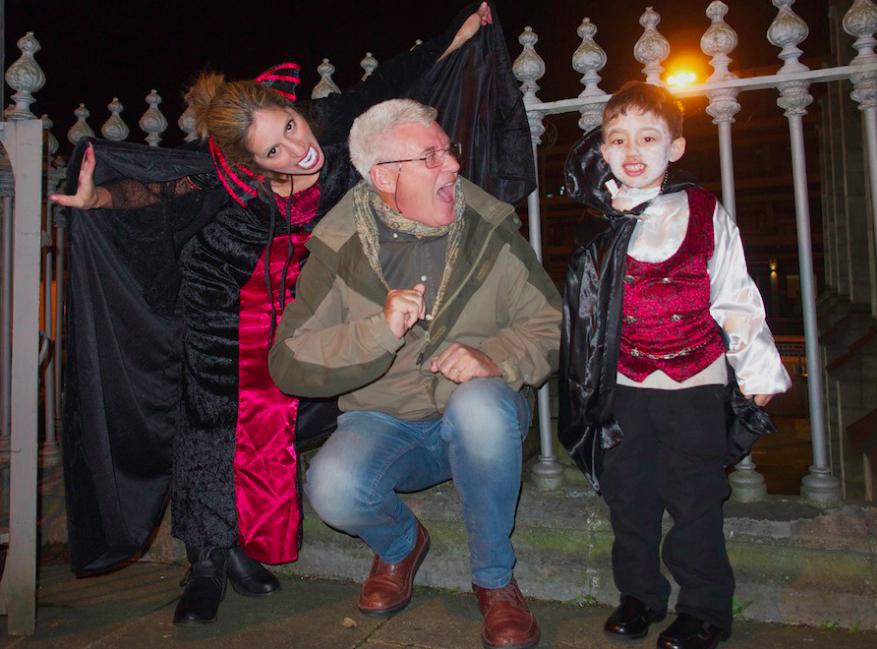
Imagine my surprise when confronted by Dracula Junior and his mother in the ghostly grounds of Dublin Castle last Friday night.

Now an annual event, the Bram Stoker Festival took place at various suitably atmospheric venues including the eerie, shadowy Chapel Royale inside the grounds of Dublin Castle and the Samuel Beckett Theatre deep within the cobbled-confines of Trinity College, where Ireland’s 19th century best-selling novelist was once a humble student.

photo 2

(l to r) Enjoying the company of Vanessa Fox O’Loughlin founder of the Inkwell Group and organiser of the festival’s literary programme; Professor Bill Hughes, Bath Spa University; and Angela Dinu, an authentic Transylvanian from Brasov.

Such is the fascination with Stoker’s immortal long-toothed Transylvanian Count, the festival events earlier this week attracted hundreds of people, both speakers and participants. Before and after my talk I was approached by people from places as diverse as Rome, Warsaw and Las Vegas, all keen to discuss ‘beyond-the-grave’ mysteries.

Christa Thompson, from Florida, travels throughout the world investigating and writing about folk stories, while Ed Mooney, from Kildare, combines his passion for photography with his deep interest in history, ancient sites, folklore and mythology. Much of Edwards’ free time is now spent traveling around the Irish countryside in search of his next adventure, which he fondly refers to as ‘ruin-hunting.

photo 3

(l to r) In the delightful company of Intrepid folklore investigators from Ireland and the US.

Lara Musto, a highly-qualified librarian and researcher, originally from Rome was among the participants. She said she had been fascinated by Bram Stoker’s work ever since she was a child, “Believe it or not, my father used to read me vampire stories at bed-time, and they helped me sleep. So you can imagine, I’ve really enjoyed the talks I’ve attended here in Dublin during the festival.”

Asked the inevitably question whether I believed in the infamous nocturnal blood-sucking creatures (known as ‘strigoi’ in Romanian folklore), I answered, both evasively and diplomatically, I must admit: “Just because something is written about doesn’t mean it’s true. But then again, just because we don’t see something doesn’t mean it’s not.” What else could I say? Not having seen either Donegal fairies or Transylvanian vampires, I remain doubtful but very much open-minded.

Credit must go to the Bram Stoker Festival organisers who provided a plethora of delightful activities for everyone. These ranged from walks with experienced guide, Pat Liddy who brought to life spine-chilling tales such as Stoker’s ‘Dracula;’ Irish Gothic writer Sheridan Le Faanu’s ‘Carmilla’ and Oscar Wilde’s ‘The Picture of Dorian Gray;’ book readings and a cosy Q&A with authors Lynne Truss  and Joanna Briscoe who penned ghostly tales for Hammer Classics, an imprint of Random House; and lively music every night. Light-hearted humor was the hallmark of a funky ‘Literary Death March’ at Smock Alley Theatre, where writers such as Lynn Shepherd read their work and competed with others before a panel of judges, with audience participation in a rousing literary quiz finale.

photo 4

Flying witches, goblins and vampires – all part of the Bram Stoker Festival in the Oak Room of the Mansion House in Dublin.

The festival – sponsored by Failte Ireland and Dublin City Council – also featured a tantalising discussion entitled ‘Madness and Sexuality’ at which Paul Murray, a former cultural attaché at the Irish Embassy in London and a Stoker biographer, and two doctors, one a psychiatrist, discussed Stoker’s state of sanity when he penned his macabre bestseller.

Much to my surprise, the ‘vampire killing kit’ was among strange artefacts at a special exhibit entitled ‘BLOOD’ at the Science Gallery beside Trinity College, hosted to coincide with the Stoker festival. The ‘kit’ was neatly arranged inside a glass case and included a gun with silver bullets and a hammer and wooden stake (best, I suppose, to be prepared for all eventualities).

photo 5

Gun with silver bullets, a crucifix and a hammer with wooden stakes of various sizes – all elements in a vampire killing kit.

Yet another Irish political fiasco

I was shocked to read in a leading Donegal newspaper editorial over the last few days that John McNulty had behaved ‘with dignity’ over his recent Fine Gael botched Senate nomination.

Let’s call a spade a spade.

The last thing Mr. McNulty behaved with was dignity. He condoned the onward march of cronyism and ‘stroke politics’ thus giving his full support to this age-old blight on Irish society.

John McNulty – guilty as charged, complicity to hoodwink. Photo courtesy Independent Newspaper.

Selling Mars bars at a Mace grocery shop in Stranorlar hardly qualifies Mr. McNulty to contribute much, if anything, to the development of the Irish Museum of Modern Art (IMMA) (unless his business is merely a front for a secret network of art collectors storing priceless Van Gogh’s under the petrol pumps). There are many throughout the country with decades of high-level experience in the arts sector and thus much more qualified than he.

Yet when Fine Gael spin-doctors whispered in his ear they’d pull a few strings and shove him on the (already full) board, thus giving him an easier ride into the Senate, he leapt like a deer in heat, omitting to point out the simple fact that he was completely unqualified for such a key position.

In doing so, the 37-year-old Kilcar man is as guilty as those people – mainly under Fianna Fail’s governing stewardship – who greedily grabbed places on other boards such as FAS and the Central Remedial Clinic and proceeded to claim hefty payments and generous expenses on the backs of struggling tax-payers. (Fianna Fail actually rushed 182 of their members on to public boards in the dying days of its last reign).

It must also be remembered that, far from being a credible Senate nominee, Mr. McNulty failed to even get elected to Donegal County Council having won just over 800 votes in May, less than half of the quota required for the six-seat electoral area. In fact, he finished the race at the rear of the pack at a distant 10th place.

Choosing him shows just how desperate Fine Gael are to shore up its political representation in Donegal, especially with the additional failure of John Curran, its choice for the Udaras board, to get elected to the local council (in great part over his willingness to hand over more than a million euro of tax-payers money to the Catholic nuns to run an addiction center in Falcarragh when there’s already one in Donegal, and after the dead babies scandal in Tuam). With Donegal South-West deputy Dinny McGinley due to retire at the next election, Curran’s failure and now McNulty’s means there’s nobody in place as a successor.

John Curran – until recent local elections, was being groomed as potential successor to TD Dinny McGinley?

Public boards or private clubs?

In a bizarre twist to the tale, Fine Gael Arts Minister Heather Humphreys said in the Dail this week that Mr. McNulty was appointed to the board of IMMA “on the balance of talent and experience.” That’s a joke. The minister then added that she and her party were committed “to using the public appointments procedure in line with the guidelines.” That’s an even bigger joke. It recently emerged that at least two of the six appointees to the Board of the Heritage Council last year were made by her colleague Minister Jimmy Deenihan in contravention of that very same formal application process.

Further, a 2012 report by the Institute of Directors In Ireland on state boards showed concern at the lack of transparency around the appointment process and the lack of consideration given to the skills required to fill them. Since then, board positions have featured on Government department websites and advertised via the Public Appointments Service but some describe this as ‘pure window-dressing’. The McNulty situation, and perhaps the Curran one too, are cases in point.

Plain-speaking (maybe too plain) Minister for Health Leo Varadkar said election to the parliament of a candidate who has withdrawn – as McNulty has done to avoid further embarrassment – would not be good thing for the political process. Duh, really?

Obviously, the only way forward is to make the recruitment process entirely transparent, minimise government involvement in choosing appointees, and actively engage individuals with the appropriate skill set to fulfill these positions.

Fine Gael’s Arts Minister Heather Humphreys in the Dail struggling to deflect accusations of cronyism and stroke politics. Photo courtesy RTE News

No crying over spilled milk

Ultimately, however, we have only ourselves to blame.

Most of those who voted for Fine Gael over Fianna Fail three years ago knew deep in their hearts exactly what they were doing. Being conservative, as we Irish are by virtue of our Catholic upbringing, we voted for one party knowing full well deep down it was little different to the other. Then we deigned to pat ourselves on the back for ‘taking a bold stand.’

What baloney! Ours was nothing less than a cowardly act.

To make matters worse, when we had the chance to regain some degree of pride and do away with a Senate that is, and always has been since the foundation of the state, a complete and utter waste of public money, we declined to follow our instincts and put pen to paper. How could any of us vote for such an anachronistic and discriminatory institution highlighted by the fact that with so many worthy universities and colleges throughout Ireland, only two – Trinity College Dublin and the National University of Ireland – are permitted to have Senators? Not to mention that 11 Senators are simply appointed on the whim of the Taoiseach. No elections, no vote.

Padding expenses? Investigations well underway on shenanigans of Fianna Fail’s Brian O’Domhnaill: Handsome salary as Senator not enough?

Today the Irish Senate, unlike the American one, stands as a perfect model of cronyism and stroke politics, with even appointed party members such as Donegal’s very own Fianna Fáil Senator Brian Ó Domhnaill under investigation for milking the system by duplicating expenses.

We tossed away the opportunity to fling the Senate into the bin of history where it firmly belongs. Let’s not now cry over spilled milk. Like McNulty’s reluctance to apologise publicly for his complicity in attempting to hoodwink us ordinary folk, it’s so undignified.