Music crosses all borders, links people as One

by Sean Hillen 

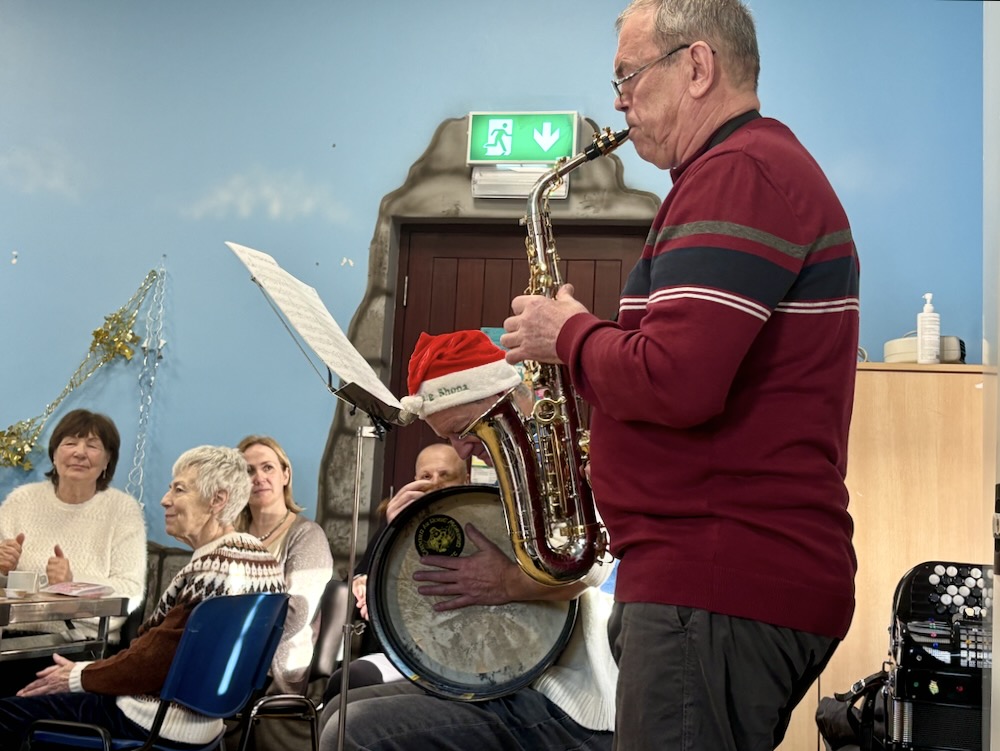
Probably never in the annals of musical history has a Ukrainian saxophonist-cum-accordionist, a classical violinist and an Irish bodhrán player come together as a highly-entertaining trio.

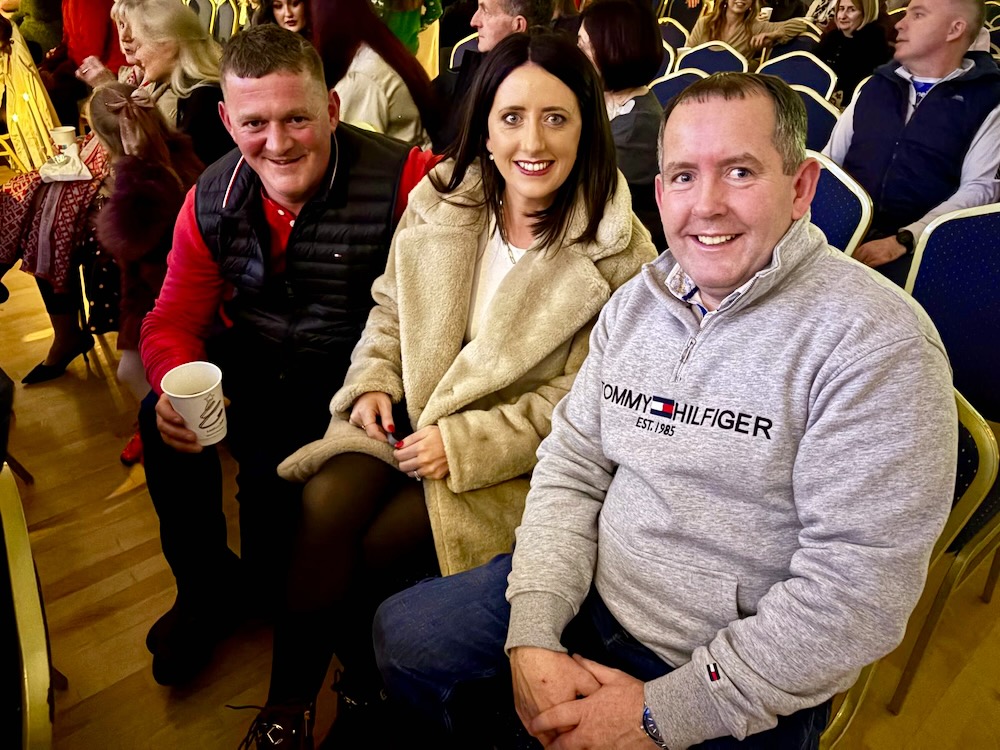
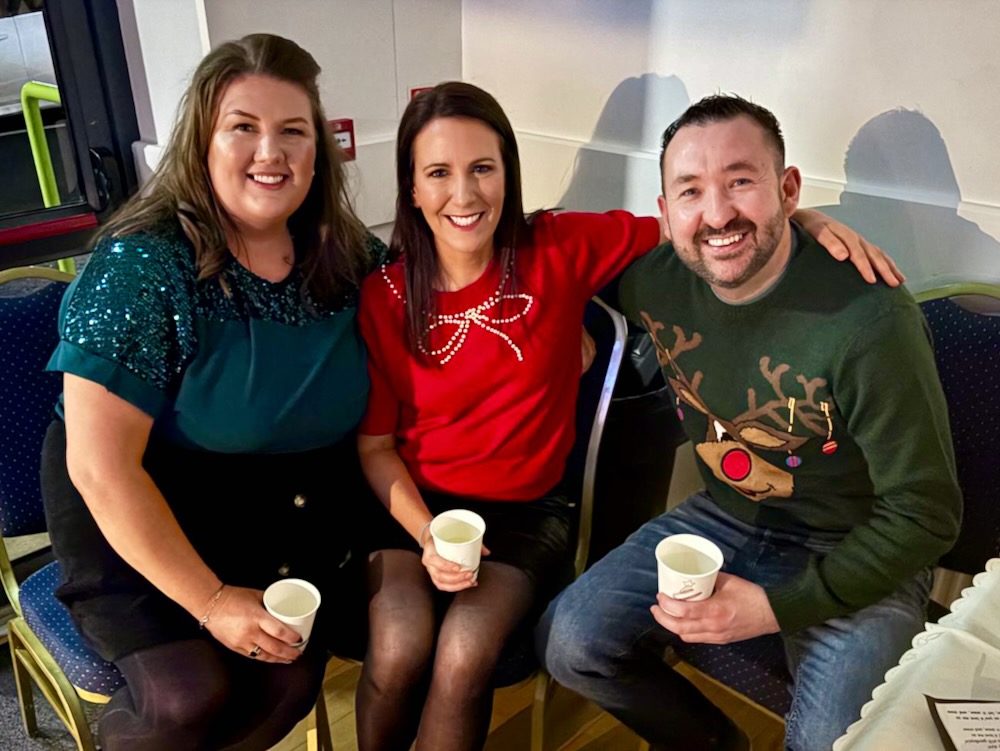
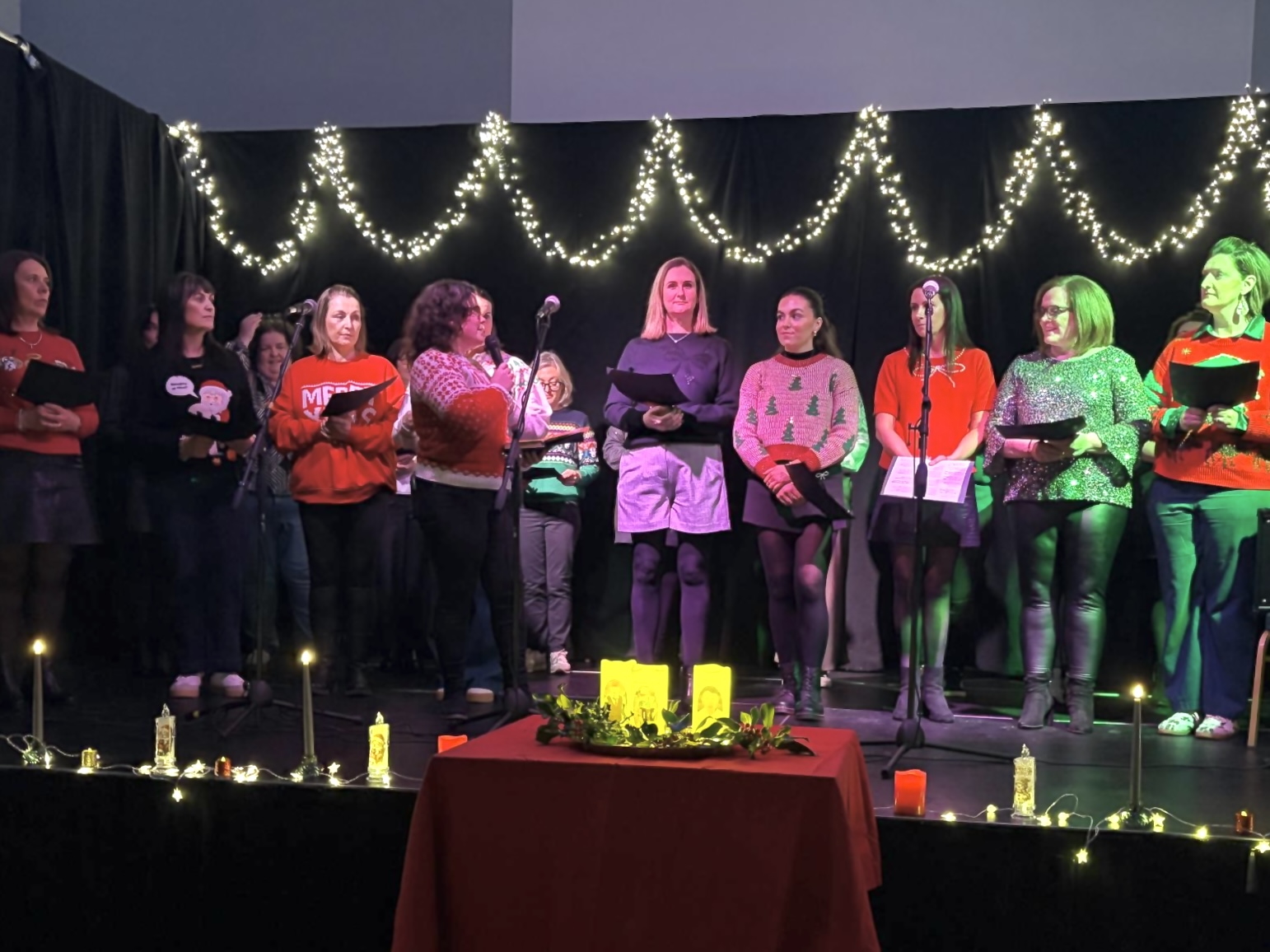
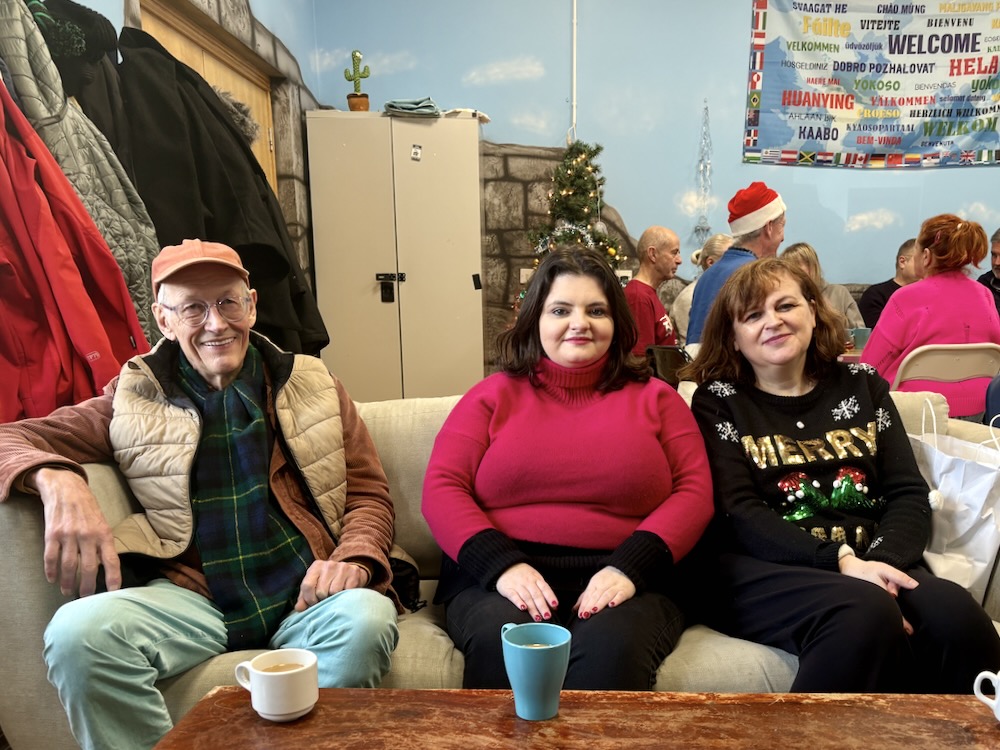
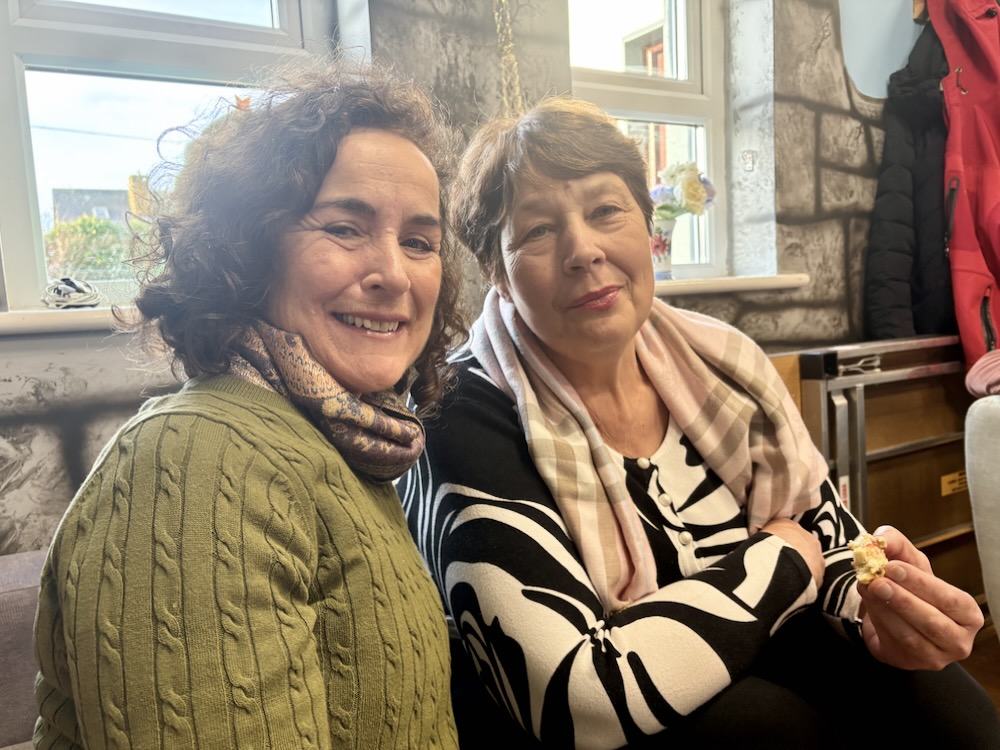
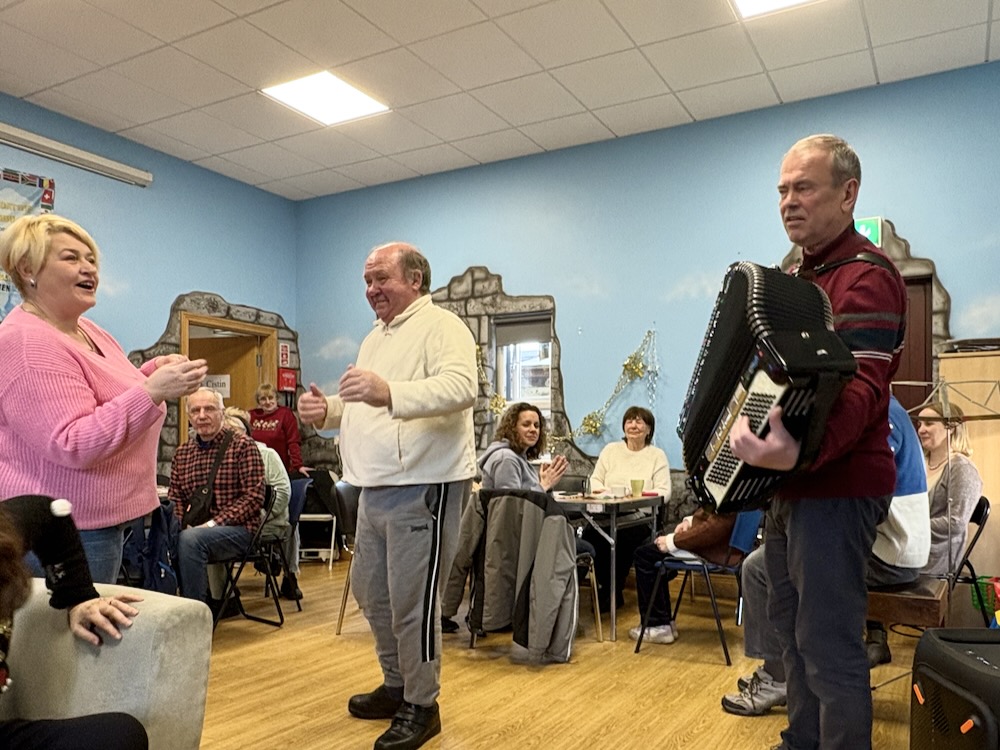
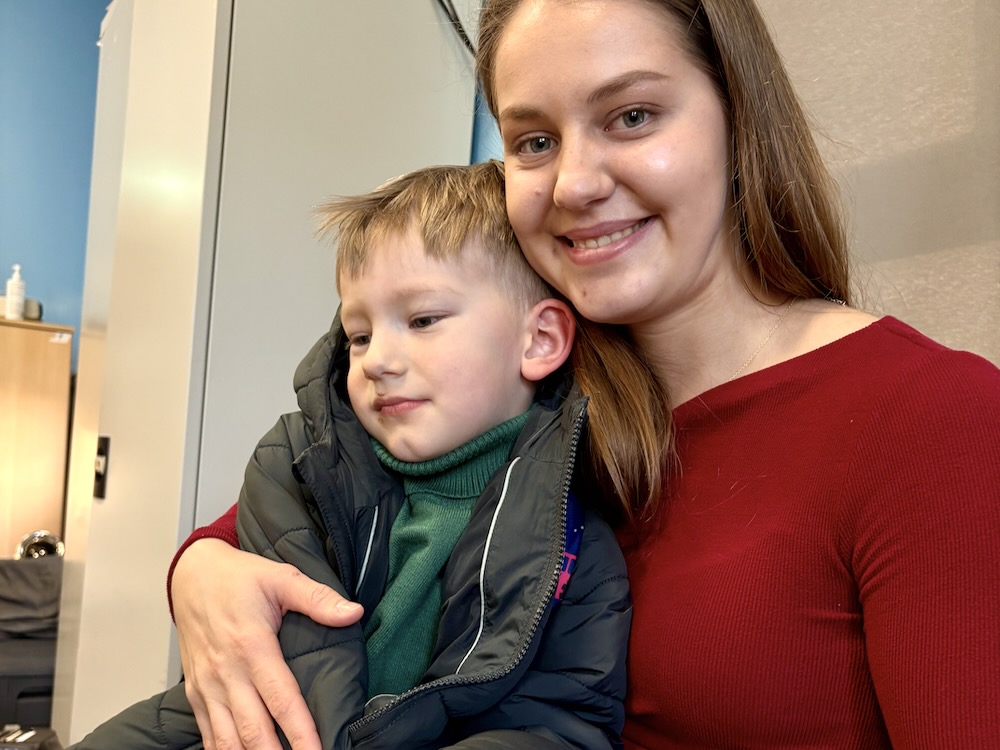
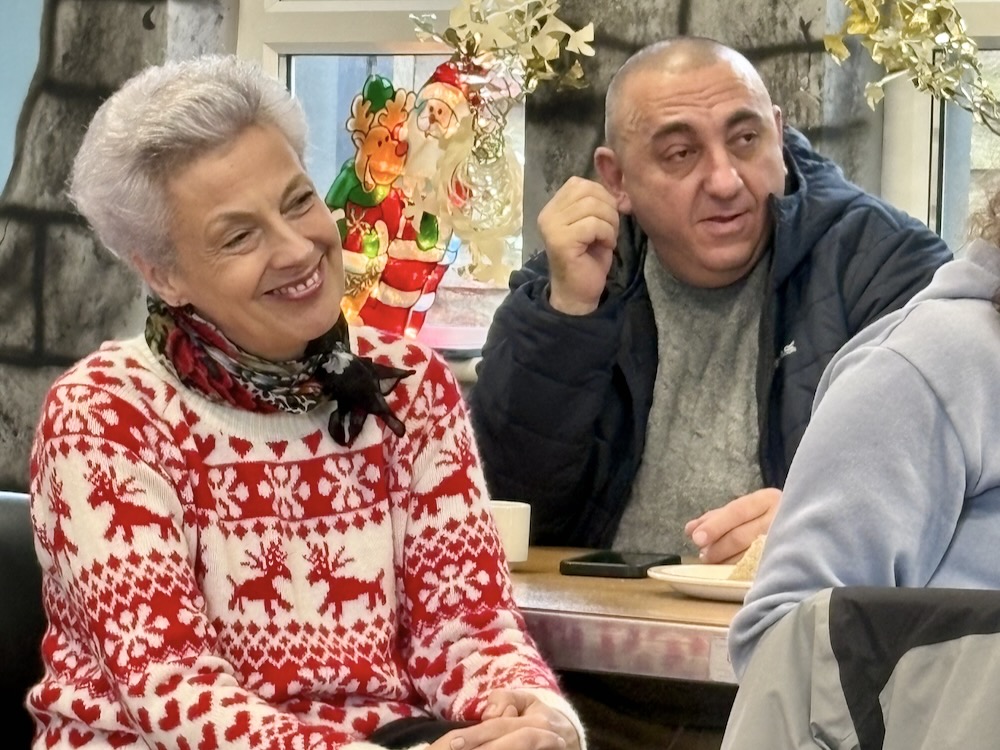
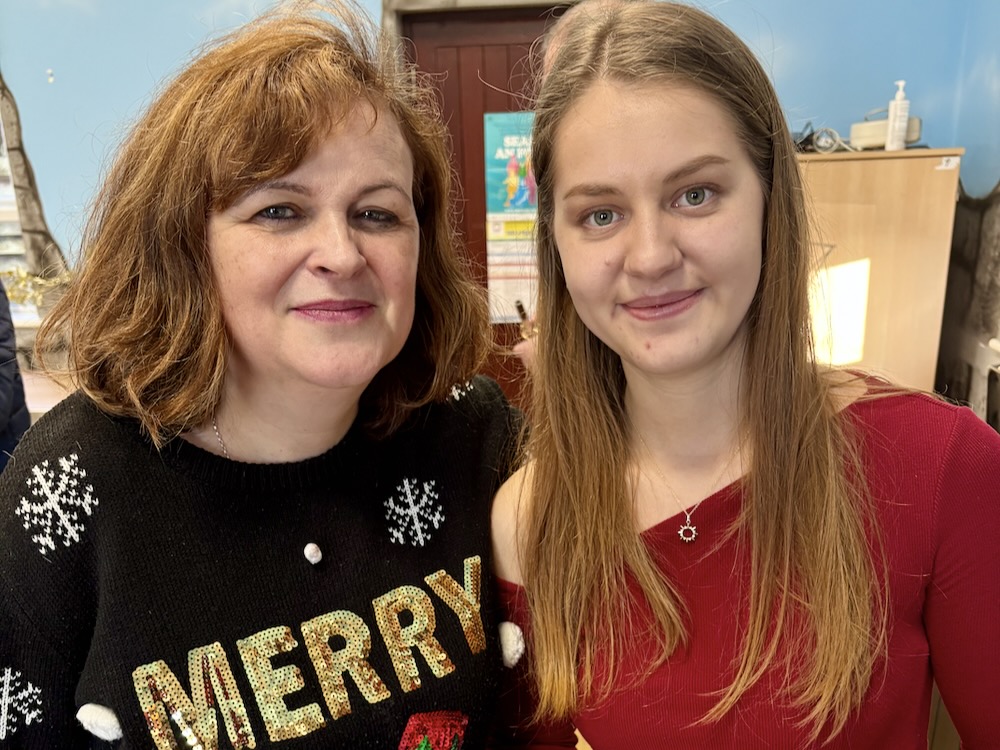
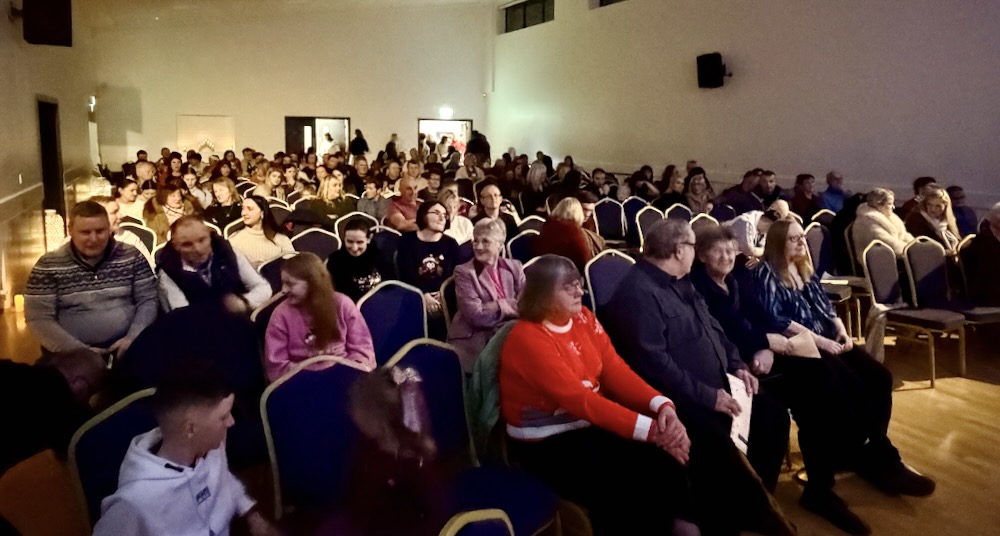
But they did this week at a celebratory Yuletide event at Garradh Colmcille in Falcarragh attended by women, men and children representing diverse nationalities including Canadian, South African, American, Irish, Ukrainian and English.

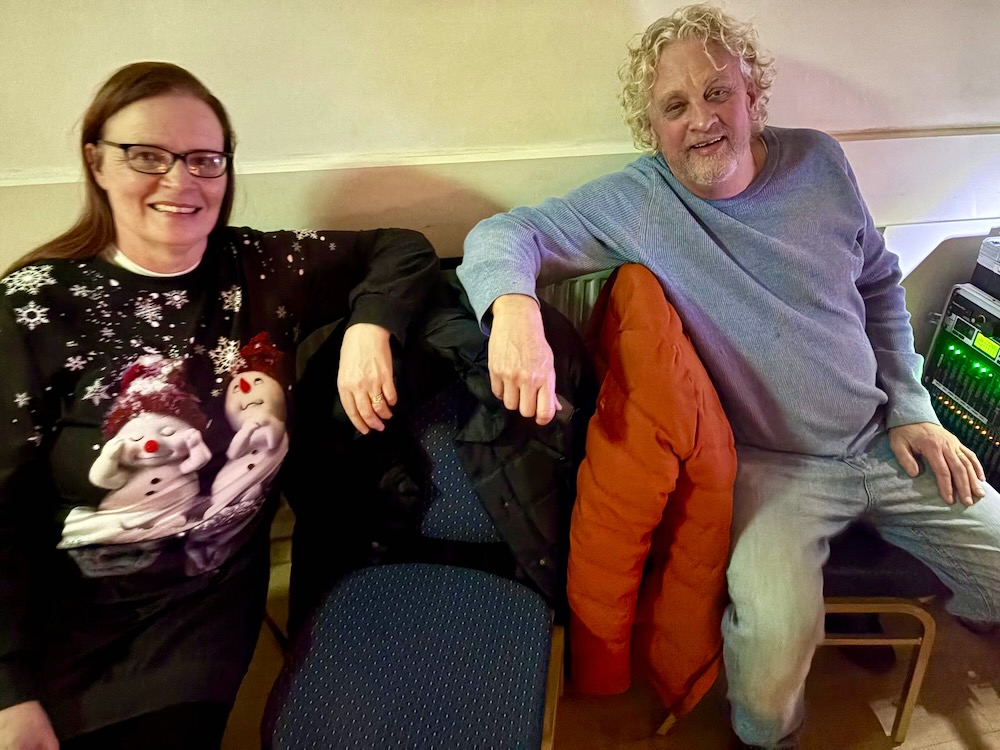
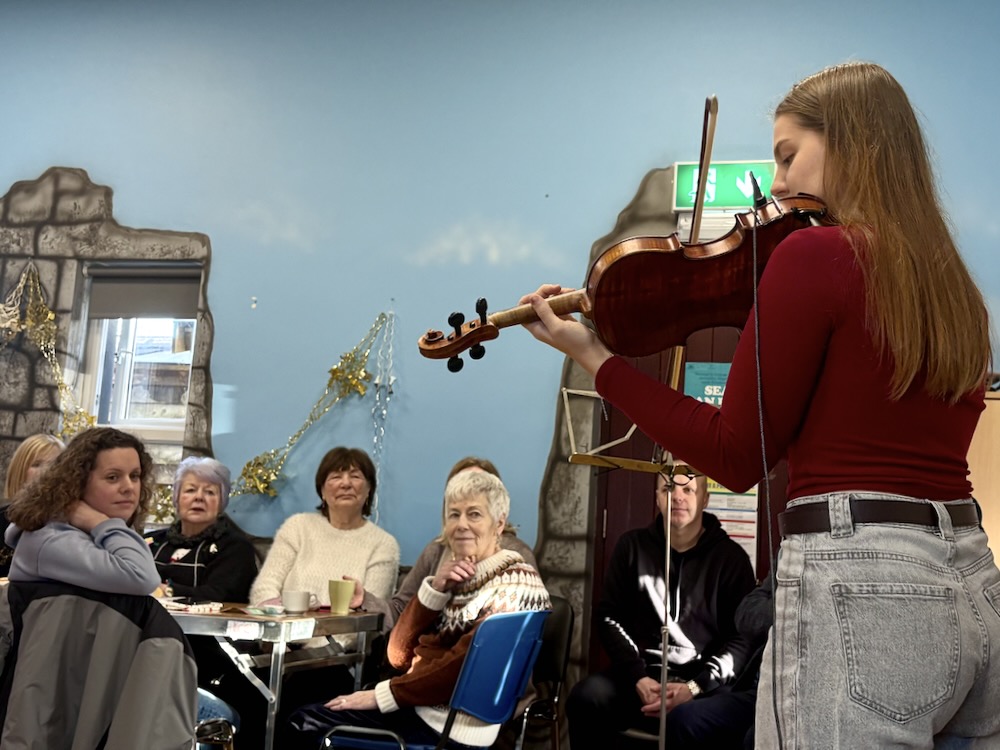
This unique occasion featured musicians, Reuben O’Conluain, Irish-language professor and cultural enthusiast, multi-instrumentalist Yuriii Hryhoriev and talented Olena Korotka, a classically-trained orchestral violinist from the now militarised region of Kherson in southern Ukraine. 

The proceedings ranged from delightful musical renderings including traditional Irish tunes as well as Ukrainian folk songs such as ‘Chervona Ruta’ and ‘Cheremshyna,’ to contemporary ballads such as Leonard Cohen’s ‘Hallelujah,’ and ‘Until I Found You’ by Stephen Sanchez, with a few festive seasonal songs including ‘Jingle Bell Rock’ and ‘It’s Beginning To Look a Lot Like Christmastossed in for good measure.

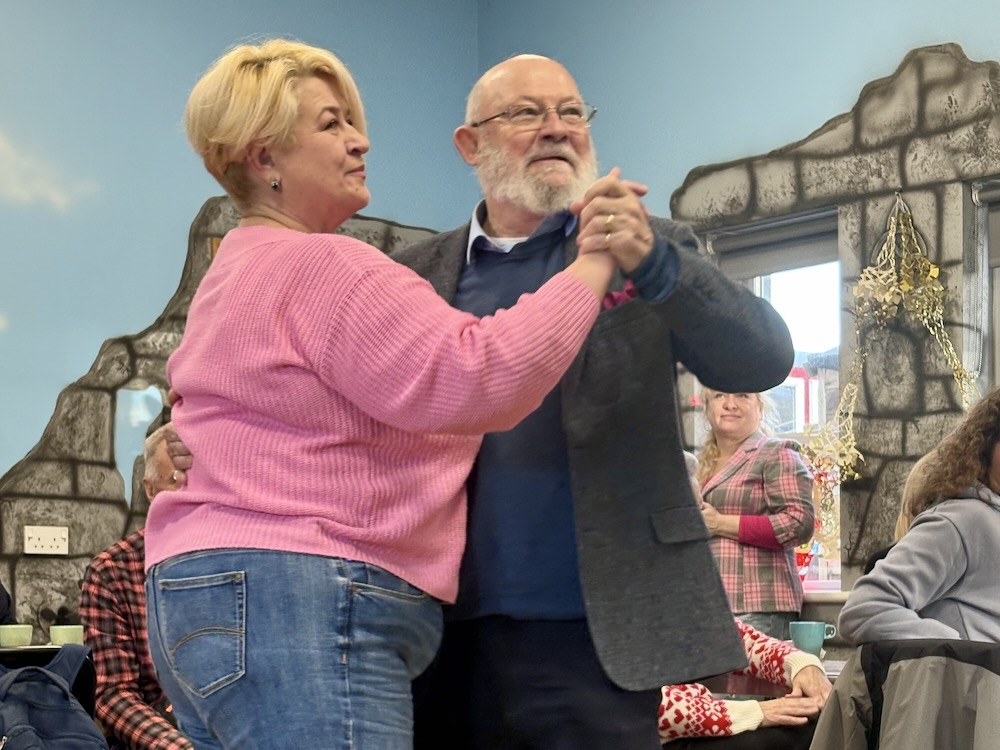
Nimble dancers also took to the floor, shaking their booties in carefree abandon to the lively rhythms of the instruments played so wonderfully.

Many congratulations to Armen Galstyan, a refugee from Odessa, for organising the musicians, and local community activist at Pobal le Chéile, Rosemary Grain, and her enthusiastic support team for hosting the event so well.

For me, and I’m sure for many others attending, the event highlighted the interconnectedness of people across borders illustrating how humanity, regardless of language, skin colour, religion or nationality, is one and the same entity, each element dependent upon the other for peace, progress and prosperity.

GAME-CHANGER OR GAME-OVER IN IRELAND?

Sinn Fein’s President Mary Lou McDonald today described on national airwaves that her political party’s long-awaited, soon-to-be-named Irish Presidential candidate would be a ‘game changer.’

@rtenews

Sinn Féin leader Mary Lou McDonald has said that the party’s participation in the Presidential Election campaign will be a “game-changer”. Sinn Féin has been mulling over its approach to the race for Áras an Úachtaráin, with two options at its disposal – either run its own candidate or back Independent Catherine Connolly’s campaign. Speaking at the National Ploughing Championships in Screggan, Co Offaly, Ms McDonald said she already knew the proposal she would be bringing to the party, but that it would not be made public until Saturday. Go to link in bio for more #rtenews #ireland #presidentialelection #sinnfein

♬ original sound – RTÉ News

Having used this grandiose, hifalutin phrase, that’s exactly what supporters and would-be supporters of Sinn Fein will be expecting that person to be – a unique choice who will shock and surprise everyone. 

The kind of individual a disillusioned electorate are hungry for. Someone whose name and background will light a fire under what has already become – albeit in its early stages – a timid, banal, utterly predictable and lukewarm election campaign.

To use such a superlative phrase as ’game-changer’  and not deliver an individual with the immense passion, innovative vision and creativity the term demands will be considered by most people to be a dismal failure.  And show Sinn Fein to be a ‘has-been, once-was’ party, one whose rise in recent years has incontrovertibly stalled.

To come up with something less – such as merely supporting Independent Catherine Connolly – will help damn the party into endless Opposition. It will signal to a triumphant Fianna Fail-Fine Gael coalition Government that it has nothing to worry about from Ireland’s third-ranked party. That Sinn Fein is all bark and bluster. But no real bite. 

Regardless of the spin about Left wing unity, Sinn Fein supporting Connolly will be seen as nothing less than inherent party weakness. That of a political party seeking to lead the country that cannot even find a suitable candidate for the most universally elected political position in the nation. 

That’s not leadership. That’s impotence. 

Supporting Connolly, Sinn Fein at this stage will also be seen as being led by the other Left wing parties who decided on her months ago. And they risk losing key votes at the next election as a result, probably leading to an inevitable decline in its parliamentary seats. A major, perhaps irrecoverable, blow to the party’s hardworking grassroots members.

Thus it’s all-important, not just for future success but for sheer survival, that Mary Lou and her colleagues in the upper ranks of Sinn Fein deliver what they’ve promise so confidently. Nothing less will do.

In doing so, hopefully, they’ll also make this rather boring Irish Presidential battle a bit more interesting than it is right now, raising it from its low-level drab ordinariness.

If they don’t, Sinn Fein may pay a heavy price at the next election. And possibly never recover from the fall.

For a party that is admirably ethical and honest in its dealings, with a central mission of equality and justice for all, they need to find the courage to take risk, something the party is not particularly known for, as not running a second candidate in the Gweedore-Cloughaneely area in the last election showed, with Pearse Doherty’s massive surplus votes going nowhere instead of towards electing a record third TD in Donegal.  

This Presidential campaign is Sinn Fein’s Rubicon moment. It’ll be intriguing to see if they manage to cross over. Or drown in the effort.

One-Eyed One Irish legend recreated by talented Donegal drama group in Falcarragh

Ever heard about Balor of the Evil Eye?

It’s an ancient Irish legend about the nasty, one-eyed mythical tyrant of a King on Tory Island in Donegal who’s killed by his grandson, Lugh – and there’s no better way to enjoy this suspense-filled story of life and death than when it’s hosted by the Cloughaneely Players, a delightful drama group in the local town of Falcarragh.

As part of its ongoing community service programme, this amiable band of actors and friends put on a wonderful outdoor show recently that had schoolchildren and adults alike both enchanted and enthralled. 

And it took place, most appropriately, beside a 16-foot pedestal, a white limestone boulder with red veining atop a pillar known as the ‘Cloughaneely Stone (Cloich Cheann Fhaola)’, the red veining symbolising the petrified blood of a chieftain called MacKineely (Cian mac Cáinte) beheaded on the stone by Balor after he discovered he planned to kill him after he’d stolen one of MacKineely’s prized cows – Glas Gaibhnenn.

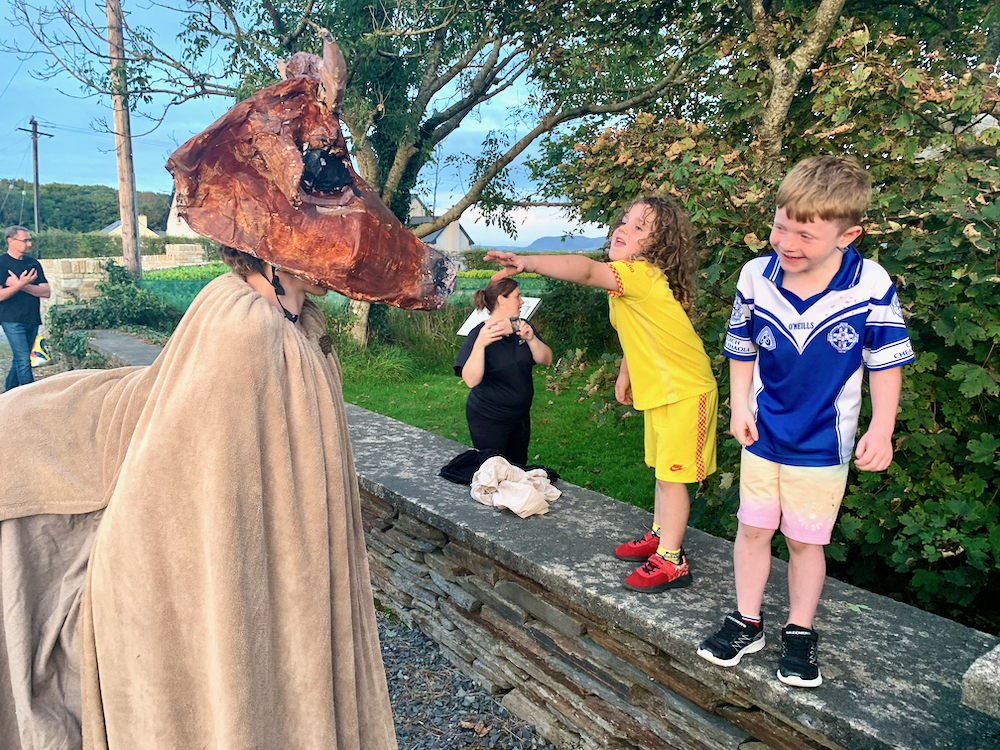
Under the astute direction of Murray Learmont and led by narrator, Joe Kelly, a leading folklorist, the actors had young schoolchildren jumping up and down like excited kangaroos just out of their pouches during the entire production (and a few adults too, though I dare not say who they were less I embarrass them).

Organiser of the event was Mark Boylan, co-manager of the Cloughaneely under 11 Irish GAA football team, with Kevin Scanlon, chairperson of the Cloughaneely Minor Board, giving a short speech to kick-off the evening. 

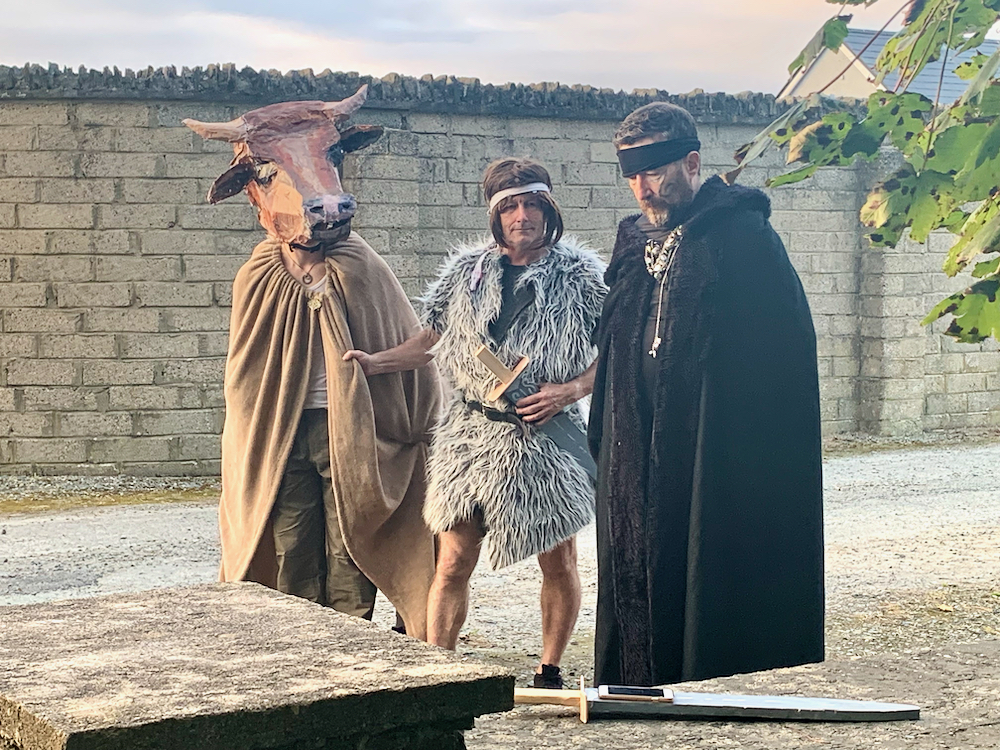
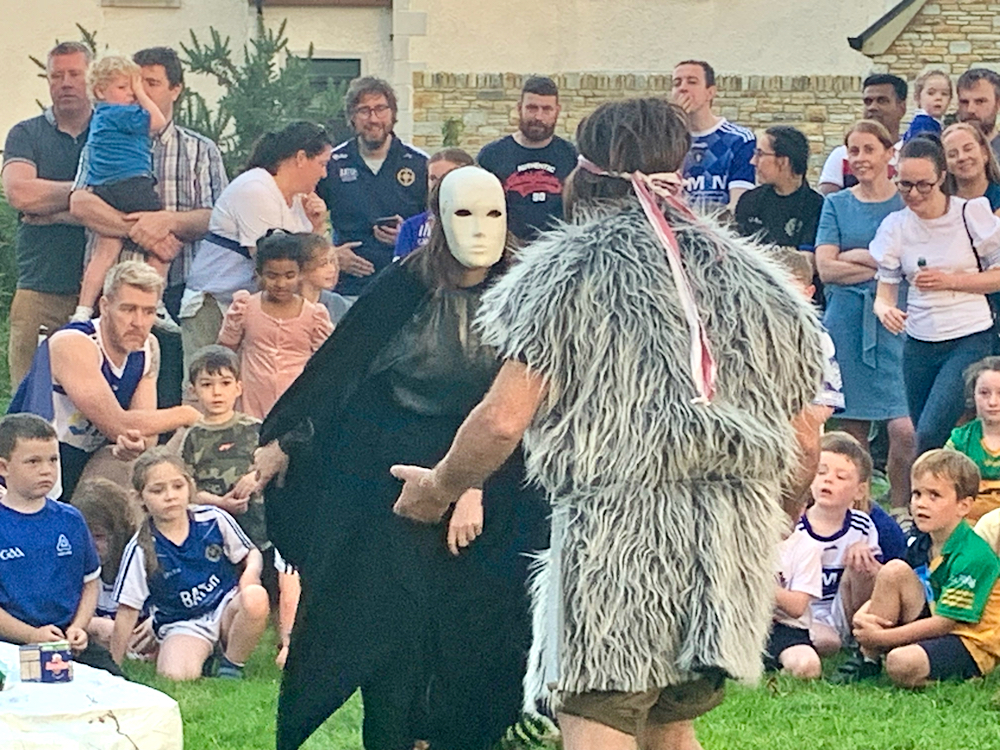
A stellar cast, one with the creative ability to slip off-script and concoct amusing dialogue spontaneously, included Denis Doohan in the lead role of Balor (I particularly liked his joke about Balor having more defenders than Jim McGuinness, the recently-named manager of the Donegal Irish senior GAA football team. 

The intrepid, Mickey McHugh, showing off his dainty, Lionel Messi-like legs and dressed in a costume that looked like it was woven from the hair of a banshee, acted as MacNeely. Insiders say Mister McHugh was specifically chosen for the role due to his lifelong, hard-won, cow-milking abilities which he displayed with tremendous exuberance – by spraying the entire audience with his own brand of the liquid. 

(l to r) Yanto and Rohan as the forever-giving milk cow, Mickey McHugh alias Lionel Messi and Denis Doohan as the face-decorated Balor consider their options.

Lugh, Balor’s grandson, was played wonderfully by Pierce Butler, especially impressive with his warlike cries and deadly sword fight with his grandfather, leaving his foe prostrate among a crowd of enthusiastic youngsters.  

Legendary cow, Glas Gaibhnenn, receives a wee bit of attention off-stage.

Kudos also go to Maggie McKinney, a native of Castlewellan, County Down, who played not one, but two roles – the screeching witch, Biróg, who predicts Balor’s downfall, as well as the bold and brassy, what-are-ye-waiting-for-let’s-have-sex, Eithne, Balor’s daughter, who – in what must be Guinness World Record time – ‘enjoys relations’ with MacNeely and produces not one but three babies, one of which was Lugh. All done and dusted in thirty seconds.

‘Prepare to die’ says Lugh (Pierce Butler) to Balor (Denis Doohan) – but only one will emerge alive.

Mention must also be made of the cow – the beloved animal that was at the center of the entire conflict. As one who has never tried imitating a member of the bovine community, I can only presume that acting the role of a cow is not easy by any means. So many congratulations to Yanto and Rohan, members of Youthreach, for doing so.

Birog the witch (Maggie McKinney) confronts MacNeely (Mickey McHugh).

Next on the dramatic circuit for the talented Cloughaneely Players is a production of the classic story, Casablanca, which I’m reliably informed may be staged sometime in November.

Photographing the entire dramatic proceedings on the evening was Annamarie Coyle, so watch out for her excellent images capturing one of the most tantalising struggles in Irish legendary history.

Donegal Gaeltacht community spirit rides high

I was delighted to write this feature piece for the ‘Donegal News’ recently supporting the hard-work, communal spirit and creativity of people in Gaoth Dobhair, Falcarragh and the Rosses in hosting their respective festivals.

For such a small rural area, often there are more diverse cultural activities – dance, theatre, sporting events, concerts, to be name but a few – than in major urban areas.

Delightfully, making choices as to which to attend can be the biggest challenge.

Sean Hillen Donegal gaeltacht, donegal gaeltacht,

West Donegal whale protection group formed as threats to human health resurface

Following an often emotional public meeting held at Teac Jack in Glassagh earlier this week, a wildlife protection group has been formed in west Donegal to lobby for government policy changes towards stranded marine animals and to promote specialized training.

The ‘North West Whale & Dolphin Support Group,’ which was established at the Tuesday evening meeting, follows concerns by many local people about the treatment of a pod of 13 pilot whales that were left stranded on Ballyness beach near Falcarragh, which all died of slow suffocation after five days. It is the 13th such stranding this year in Donegal, including a sperm whale stranded off Machaire Rabhartaigh beach. Around 32 other whales died off Rutland Island two years ago and were cut up and transported to Cavan where they were incinerated.

Meanwhile, concerns have arisen as to what caused the mysterious deaths of all the whales amid a recent rise in the numbers of marine animals being stranded off Donegal’s coast.  And that, whatever it is, may also be a hazard to human health.
whale 2

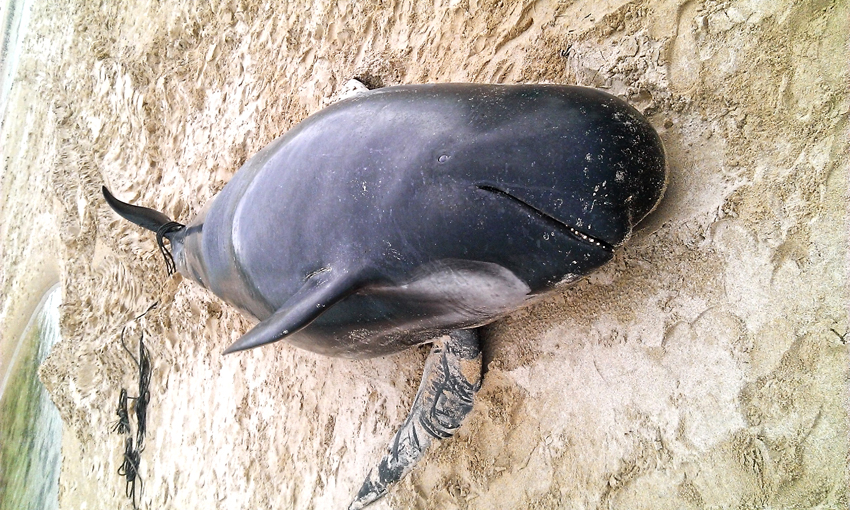
A stranded pilot whale struggles for life at Ballyness beach near Falcarragh, west Donegal. (Photo by Antonia Leitner).

Chairperson of the meeting, Amanda Doherty, with Selkie Sailing, who has also launched a petition that has attracted more than 230 signatures on the issue, said she was pleased by decisions those attending had made together.

“We want to raise community awareness and have the current policy regarding cetacean strandings in the area reviewed,” she said. “It should be a more flexible policy to allow for the particulars of different situations that occur. This is best practice according international standards and Ireland should follow it.”

Some people at the meeting – many of whom tried their best to save the dying whales – became emotional as they described the traumatic situation at Ballyness beach and the agony of the cetaceans as they slowly died of suffocation in shallow water.

Members of the National Parks and Wildlife Service (NPWS), led by Dave Duggan and Pat Vaughan, decided “to let nature takes its course” rather than try to save the whales or apply euthanasia to reduce the whales’ suffering. They also did not ask the coastguard for assistance to bring the whales out to sea, as has happened in other parts of Ireland. The state-funded Donegal county veterinary office under the leadership of Charles Kealey, chief veterinary officer, has also come under criticism for refusing to get involved in any way to help the whales, including making sure the mammals were dead before they were buried. (In contrast, see photo below of a cetacean (dolphin) being treated more humanely in another part of Ireland, with vets and the coastguard involved).

Strandedwm_shay-fennelly_2007

Westport-based Irish Coastguard assist with a stranded Common Dolphin which could not be refloated. A Mayo vet administered an injection to humanely end its suffering. Photo by Shay Fennelly

Pearse Doherty Sinn Fein TD for west Donegal, who has submitted a number of formal questions over the last week in the Dail to Ministers regarding the treatment of stranded whales and other cetaceans, attended the meeting and gave his advice on the best way forward for the group. Doherty said it was important the new group work with current organisations such as the Irish Whale and Dolphin Group (IWDG) and the National Parks and Wildlife Service (NPWS) and suggested a two-pronged approach – making sure policy at the IWDG matched international standards, and the establishment of  ‘first responders’ in the local area, recognized by the NPWS and IWDG – people who could take the lead in developing situations.

The newly-formed ‘North West Whale & Dolphin Support Group’ decided to hold monthly meetings and invite Simon Berrow, founder of the IWDG, to provide specialized training for members on how to best help stranded whales and other cetaceans and to meet with a small working group on the same day to discuss further action. Clare-based Berrow is a full-time lecturer at the Galway-Mayo Institute of Technology teaching on the Applied Freshwater and Marine degree course and project manager of the Shannon Dolphin and Wildlife Foundation.

After being contacted about the meeting, Berrow told the author of this blog, “We are delighted to hear of the formation of a local group. We look forward to working closely with them to prepare a better response to stranded cetaceans in the future and also to encourage local recording.”

Offshore toxic waste dumping? Military submarine activity?

At the same time, concerns regarding the health hazards to human life – as well as marine – from toxic dumping at sea and military submarine activity and experiments that may have caused the strandings have resurfaced locally.

dumping 2

Oceans that become graveyards for poisonous debris that pose dangers to human as well as marine life.

International regulations state that discharges of waste material – often poisonous by nature – should not be made within a certain distance of any landmass, according to the Seas at Risk. But who’s watching? Some major ports have cleaning facilities such as Edinburgh, Belfast and Dublin, but this costs money so some incorrigible corporations say ‘why bother’? As the coast of Donegal is in direct line of most transAtlantic ocean traffic between Europe and the Americas, the amount of waste dumped offshore is probably immense, one respected scientist saying ‘enough to create mountains under the sea.’ Much of this material contains cancer-causing chemicals (carcinogens) such as manganese, benzene, coal-tar, radium, petrolatum, parabens, vinyl chloride lead and zinc. With recent technological developments, many of these chemicals are in the form of deadly nanoparticles (particles less than the size of a human or animal cell) which, airborne, can then penetrate the cells, causing untold damage.

Nanoparticles: Technological and industrial development has outstripped health research into their potential dangers in everyday foods and consumer products.

Nanoparticles: Technological and industrial development has outstripped health research into their potential dangers in everyday foods and consumer products.

Could this be the cause or partial cause of disease in whales and other marine animals? Researchers say they have found large quantities of these chemicals in the whale tissue samples taken and tested. And doctors report larger than normal incidences of human cancer in local people.

In addition, some of the waste is in the form of non-biogradable plastics. Because they don’t dissolve but break up into smaller elements, these plastics have formed what scientists now call ‘plastic islands’ – often the size of countries, one is larger than the US state of Texas, which in itself is 17 times larger than Ireland – that float in our seas, causing disruption to the normal flow of currents. Consequently, the dangers to both human as well as marine animal health is high. For a long time, many people in northwest Donegal have suspected such dumping to have taken place offshore, with menacing results (see further information here).

A special group was established within the last two years at Ionad Naomh Pádraig in Dore by Freddie O’Donnell and Aodán Ó’Gallchoir to examine correlations between high levels of cancer in the Gaeltacht area and dumping of waste in coastal waters nearby. Known as ‘Scaoil Saor ó Ailse’ (Break Free from Cancer’), the group’s public relations officer, Joe Diver, said former local doctor Paddy Delap, said such waste was affecting peoples’ health, particularly cancers of the skin, lung and brain, with an abnormally high level of fatalities. A deep-sea diver then broke his decades-old silence on Raidó na Gaeltachta, describing how he found a large area of the sea bed littered with large black drums with hazardous signage on them in the waters off Tory Island, adding, “We were looking for shipwrecks, went down 40 to 45 metres and came across black drums with green stuff growing on them. There were a few thousand of them. They were heaped in a hill-like structure and had skull and crossbones on them. The diver said the drums would have since disintegrated and their hazardous material dissolved into the ocean off the Gaeltacht coast.”
submarine

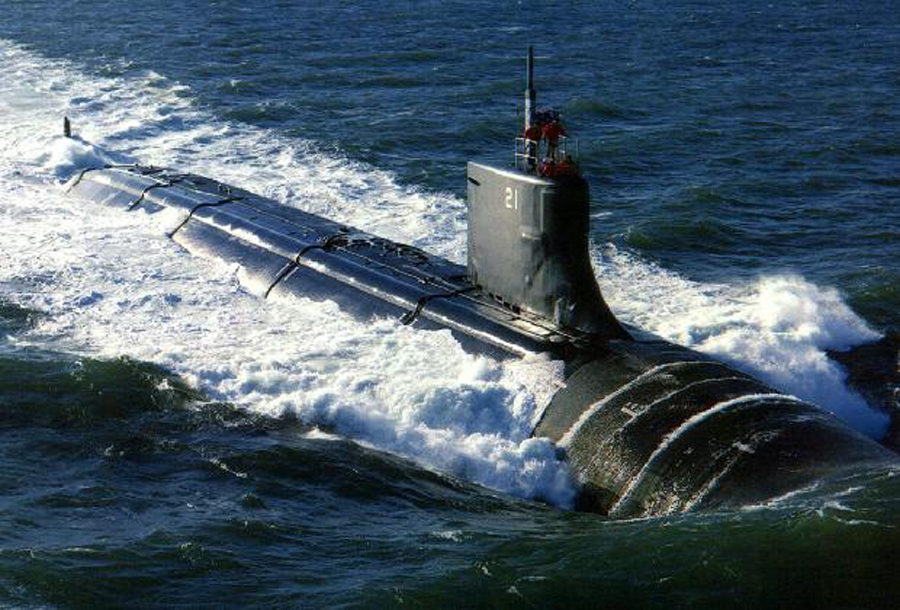
Military submarine activity and experiments at sea: what are the hazards for Man, Plant and Animal?

Areas affected could include Gaoth Dobhair, Cloughaneely and The Rosses. Calls for greater funding for a more comprehensive analysis were ignored by the relevant authorities, mainly on the instructions of Dublin, some say for economic and political reasons. Further, fearing such research could stir up waves of protest if the result became known, efforts were made by authorities, mainly Fianna Fail, then in power, to trivialize what little had become known. Politics and money trumped peoples’ health and once again the ‘Forgotten County’ was forced to live up to its unfortunate title.

Damage control became main concern for a certain cadre of elite: the party in power in the Dail and its big-business supporters. “This situation has been going on for far too long,” said one medical practitioner who has treated cancer patients in the area. “It is long past time national funding was made available to investigate this situation thoroughly. If it happened in certain other parts of the country, it probably would already have taken place long ago. Surely the deaths of so many marine animals and the high number of cancers affecting people means the issue should be looked at very closely.  To some extent, it’s in the hands of ordinary people. They should be lobbying their government representatives by e-mail, phone and letter. If not, nothing will be done.”

Several of the whales at Ballyness beach were found to have lesions, blemishes and lumps on its skin, but National Parks and Wildlife Service officials declined to say where any disease may have originated. As whales are highly social creatures that travel in communities, some say healthy whales may have refused to abandon sick or injured pod members and followed them into shallow water. “We can’t say for certain,” said Pat Vaughan, district conservation officer for the NPWS. “What we do know is that whales and other marine animals can have high levels of certain toxic elements in their bodies.”
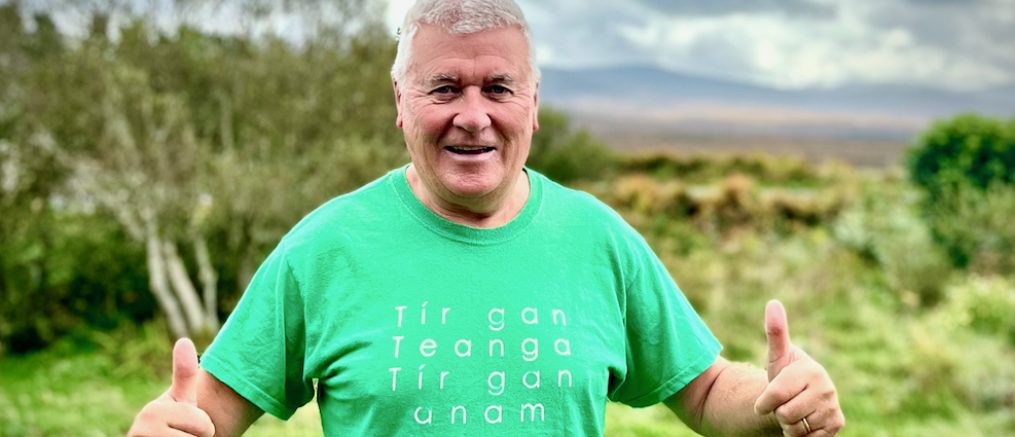
Owen Curran: well-respected Donegal community activist speaks out

Names his choices for local elections in the Glenties

Watching as stone cottages in England were leveled to make way for a nuclear power plant and seeing protestors trying to stop it being mistreated by police was the beginning of Owen Curran’s political awakening.

I was nineteen, living in England, but that planted a seed in me,” the 51-year-old explains simply during a recent two-hour interview at Lough Altan Hotel in Gortahork.

Owen, first from the left, looking at camera, displays his solidarity with protestors seeking greater equality and social justice.

In the intervening thirty-two years, that seed has grown into a sturdy tree, its branches used in the protection of basic civil and community rights and furtherance of a more equitable society. That’s why Curran, who was born in Glasgow but who grew up in Ray, west Donegal, and has lived the last 12 years in nearby Derryconnor, came to be one of the canvassers for a then aspiring Dublin political leader named Joe Higgins in the 1990s. That’s how he also ended up in the vanguard of the Cloughaneely ‘Can’t Pay, Won’t Pay’ campaign against the household and water taxes; among 15,000 people protesting outside the Fine Gael Ard Fheis two years ago in Dublin; and one of a small group of people behind the emergence of ‘May Day’ celebrations earlier this month in Falcarragh.

I suppose you could say I’ve always been involved in fighting for peoples’ rights and social fairness,” says the well-read, quiet-spoken Donegal county council employee. “These rights were hard-fought to get and keeping them is even more difficult, especially in times of economic crisis.

With the local elections but a few weeks away, Owen, who like many Irishmen before him has travelled to many places seeking work, including Neasden, Edinburgh, Bermondsey, Dunbar, Haddington and Port Seton, is eyeing the candidates with that view very much in mind. “I’m looking for people with genuine beliefs about social justice, the kind who get involved and don’t waver when things get tough, people like Pearse Doherty of Sinn Fein, the best politician we’ve ever had in Donegal,” he says, before adding philosophically, “democracy is a living, breathing, thing and should be borne out to its fullest. We’ve been told there is an economic upturn, but we don’t see it. Most of our working people have emigrated or are simply unemployed. How can we talk about rural Ireland if we don’t put people back to work? We need to get back to basics, back to looking at agriculture, tourism, the environment. We need open public forums where people can have the right to their say in how the community in which they live should move forward. We’re not going to come out of this crisis automatically. That requires serious, long-term spending.

So why hasn’t that happened already? Why has there been so little protest from Irish people who have undergone such dire difficulties over the last five years?

There are many reasons,” he explains. “With our colonial past, including landlordism, there has been a ‘do-what-you-have-to’ attitude to survive. Also, the Catholic Church, while it has done much good, has left us over-deferential to authority. Further, emigration has always been Ireland’s safety valve. It lets pressure off. Those who would traditionally stand up are gone away.

Owen also believes history went amiss for the people of Ireland. “After the so-called revolution here, the wrong people grasped power, not the people who did most of the fighting, but larger farmers and those who were better off. Some people like to make a devil out of Éamon de Valera but he wasn’t alone. Some of what he and others beside him did was progressive but there has been an absence of social change. Ireland is a Republic in name only and even though the phrase annoys me, we are a ‘class conscious’ nation. In a country in which we felt we were in it together, resisting the might of the British Empire, we found we were no better, no worse, than them. The green flag is still waiting to be raised. There are still things to do.

That includes, according to Owen, “all people being given choices.” “People are not given their rightful place. Minorities should be able to voice their opinion. That is vitally important. Cutting them off is dangerous and we have to be ever vigilant that does not happen. We also need to relearn a lot of stuff, things we knew in the past, like solidarity and standing up for each other. Irish people like to say they didn’t like Margaret Thatcher yet we’ve taken many of her policies and applied them, thus the Celtic Tiger and the Charlie McCreevy’s of this world. Unions ‘in partnership’ with government? What does that mean? We cannot sit on both sides of the fence. It’s as if we are delighted to be allowed to ‘join the club,’ join the ruling classes. We have become so deferential to authority we let off those clearly guilty of white-collar crime. It has just become too easy for them.

Locally, Owen is passionate about the unfortunate situation at Largo Foods in Gaoth Dobhair. “This is a case where skills were honed over forty years, yet now, it’s all gone. Crocodile tears were shed by many politicians, but it took eleven days for Udaras na Gaeltachta to host a first meeting on the factory’s closure. It should have organized a special task force back in the 1980s when manufacturing was going down. I mean, has there ever been an audit of skills in the Gaeltacht community, not to mention a series of public meetings to find job-creation ideas or special training seminars on how to apply properly for funding? Udaras has spent hundreds of millions of euro of public money over the years and much of it has been wasted. It is long past time for greater transparency and much more public scrutiny of the way this organisation operates.

To whom does Owen owe such thoughtful and mature political thinking? “In Ireland, the lives and writings of people like James Connolly and Jim Larkin, and, of course, Joe Higgins, which is why I canvassed for him all those years ago, but others outside Ireland who were very influential during their time,” he says. Among these, Owen adds, are James Cannon in the United States, whom he sees as “an early stalwart of American socialism in the 1930s and who wrote ‘Socialism on Trial,’ which Owen considers “a masterful explanation of the ‘red scare,’ and even the writer, Jack London, who wrote ‘The Iron Heel,’ about the strength of the individual and the collective. Owen also greatly admires Barack Obama, who, he says, “has made a tremendous difference.”

With local elections up ahead, how does the local activist – with two brothers and two sisters and now married to Sheila – feel about the future?

I remain optimistic. I believe in people, in the human spirit. But we need to build peoples’ confidence, to encourage them to get involved in making their communities better. They will find they are well able but it’s a long process. However, it can work. There is not simply dark and light. There’s rarely an outright victory. The ‘Can’t Pay, Won’t Pay’ campaign, for example, made a number of people active. We all learned how to debate issues. In many ways, it was a model for local democracy within a group. I saw people who were too shy to speak, get up and chair a public meeting.

Regarding the ‘Can’t Pay, Won’t Pay’ campaign, Curran gives great credit to a number of people who he says “have been pioneers in the struggle for greater equality as well as anti-austerity stalwarts, including Theresa and Caroline Woods, founders of the group; Mary Bridget Sharkey; Mary Attenborough; Moire McCarry; R.J. McLean; James Woods;  Gerard Gallagher; and Martin McEhlinny.”

He continues, “Back to the issue of deference – some people on the left wasted an opportunity this economic crisis presented. They disengaged over spurious reasons. The landscape changed but they didn’t take advantage of the opportunity it presented. Forcing Fine Gael and Fianna Fail together would have made way for a stronger Left alliance….. but maybe it’s not too late.

Owen’s choices in the upcoming local elections for the Glenties area are –

  1. Michael McClafferty – “a decent, hardworking person who got involved in this election because he believes change can only come about if people go into politics and fight for it.”
  2. Cllr. Marie Therese Gallagher and John Sheamais O’Fearraigh of Sinn Fein “because that party has shown consistent loyalty to its principles, as well as strong discipline, especially at last year’s council budget meeting.”
  3. Seamus Rogers – “a genuine community activist, and a decent man.”